A design system so you stop debating the same button every week




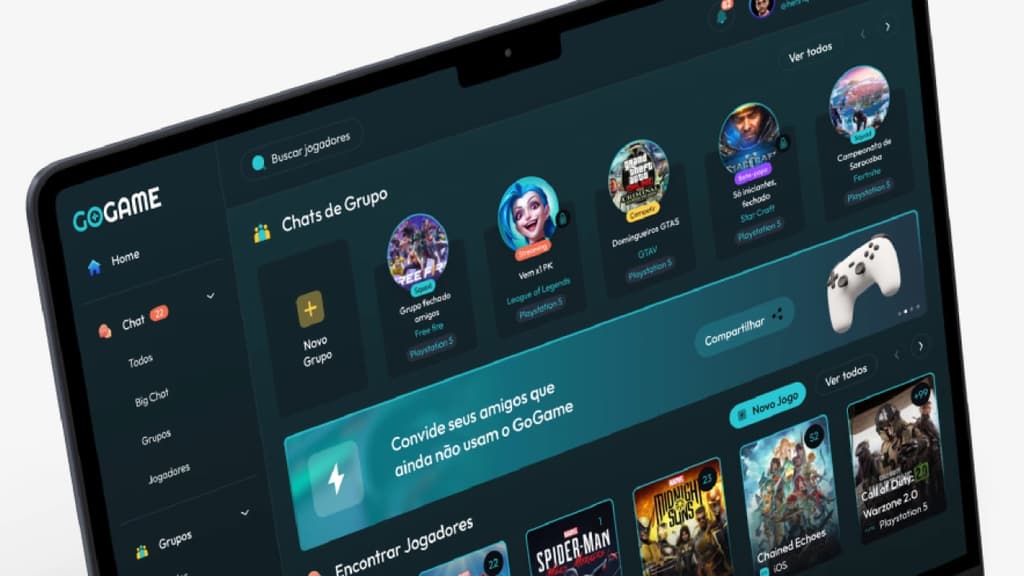
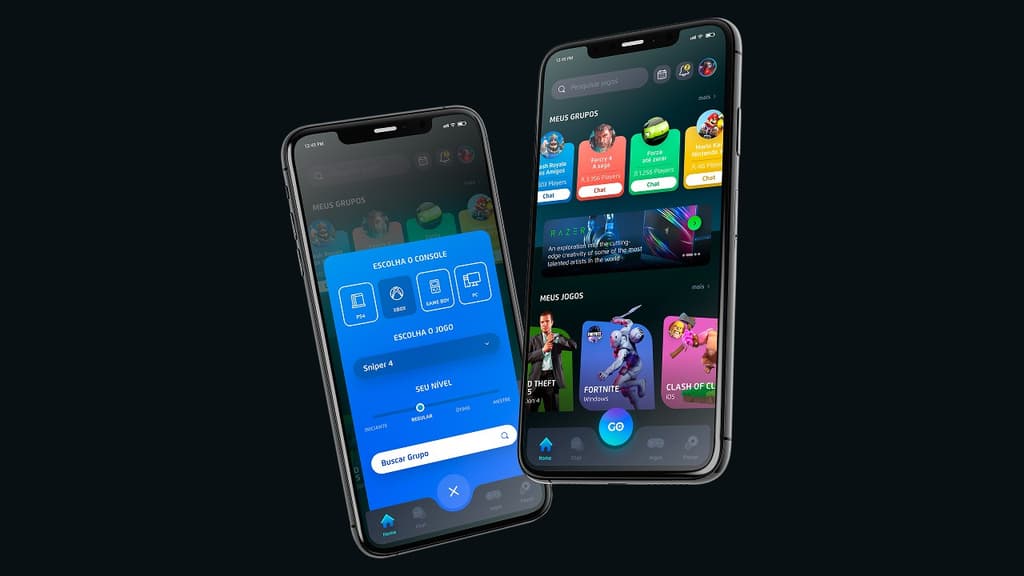
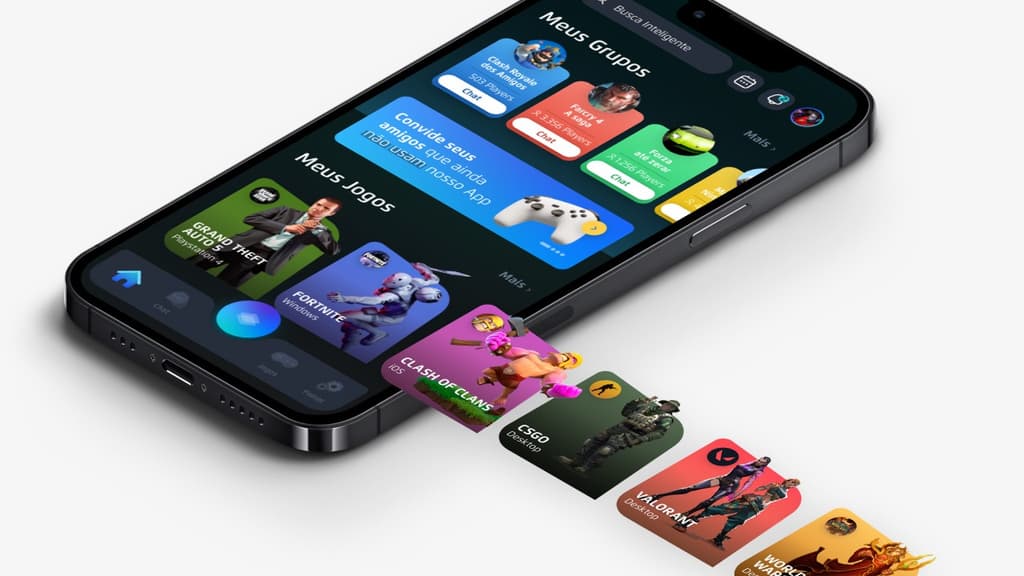
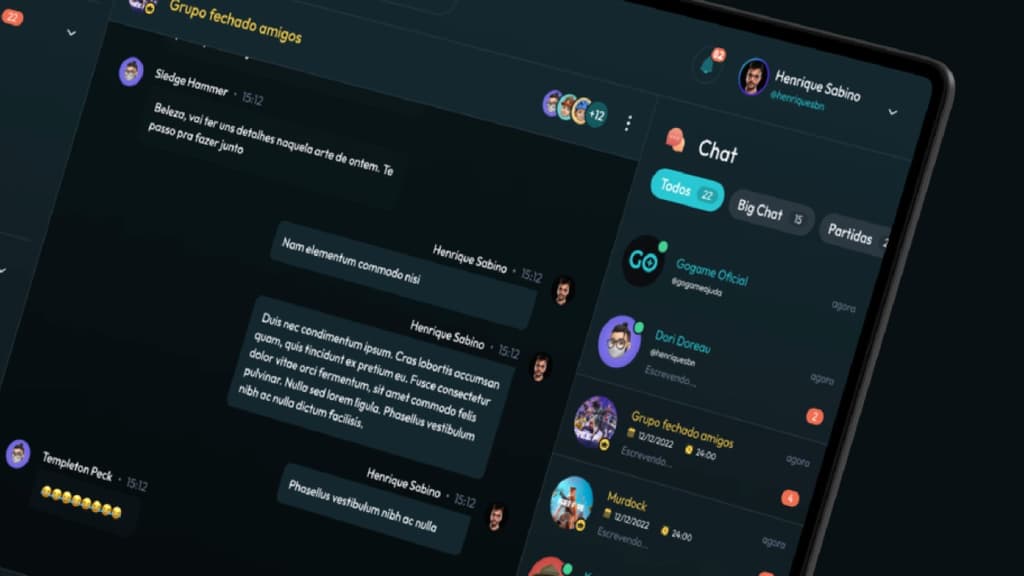
Interface audit
We catalog everything that already exists and how much variation became standard by accident.
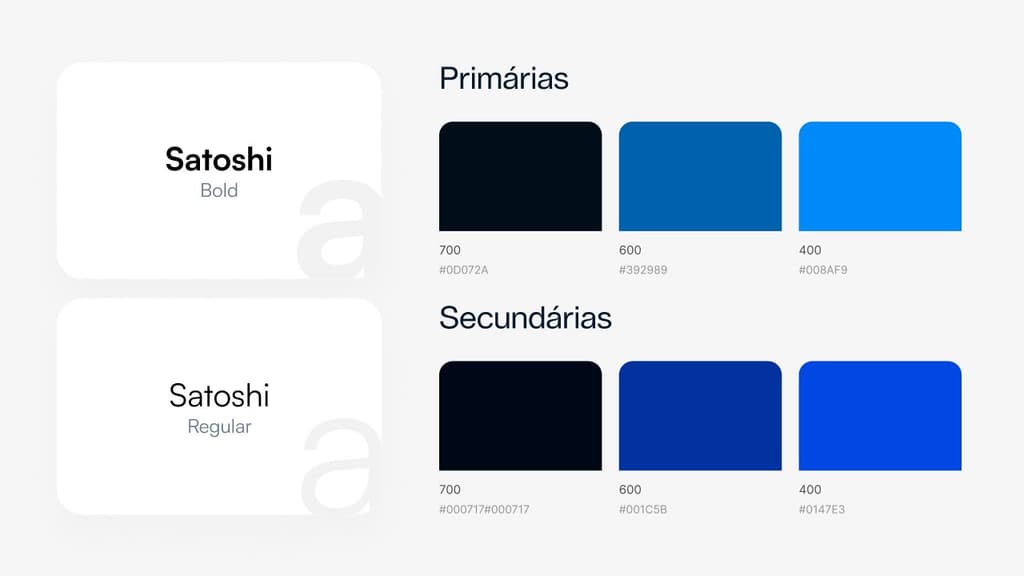
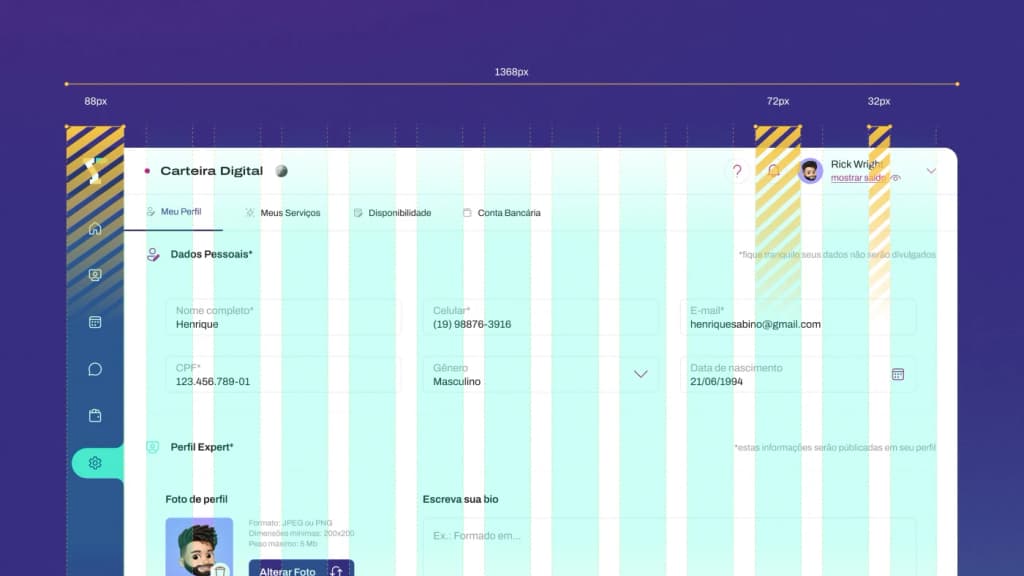
Design tokens
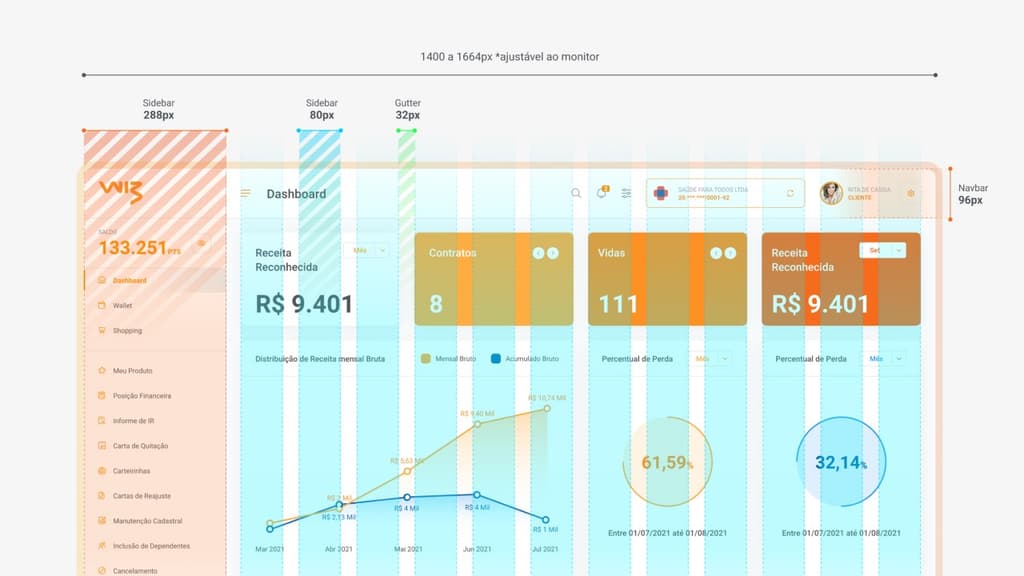
Color, typography, spacing and radius defined as a single source of truth.
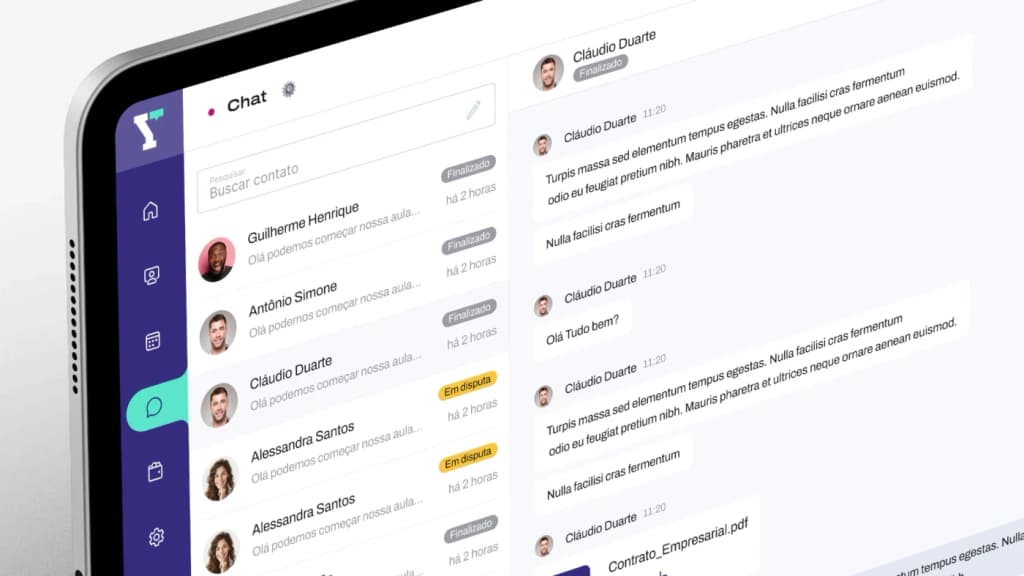
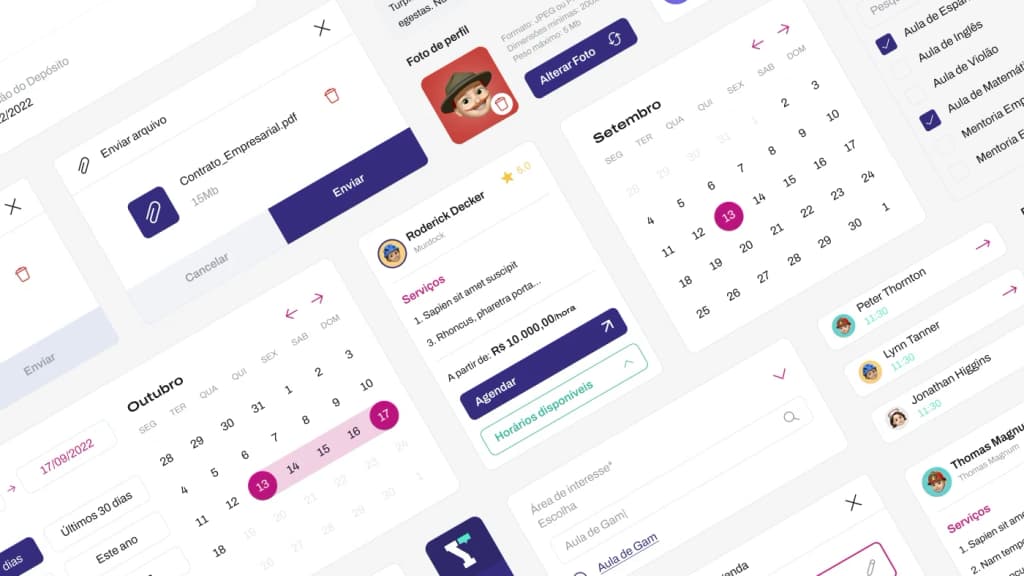
Figma library
Components with variants, properties and names your team understands.
Code components
The same library in React, so design and product don't drift apart.
Usage guidelines
When to use each component, and above all when not to.
Light and dark themes
Tokens ready for both themes from the very first definition.
Living documentation
A guide your team checks every day, not a PDF nobody opens.
Guided rollout
We stay with you while the first screens migrate to the system.
COMPARISON
What changes when the system is built with the team, not for the team
We build design systems for products with multiple teams working in parallel, like Wiz Benefícios, Pepper and Cappta.
WHO IT'S FOR
Wama vs. a library built in spare time
The test of a design system is how many new screens ship without starting a debate.
Wama
A library built in spare hours
Figma and code sharing the same library
Design and product drifting apart within weeks
Tokens as the single source of truth
Dozens of nearly identical grays in the file
Documentation that answers when to use it
A finished component nobody knows how to apply
Rollout supported screen by screen
A library published and forgotten
Governance defined from day one
Anyone can create a new component
Inventory
We map the components, colors and patterns already in the product, and measure the inconsistency with data, not impressions.
Foundations
We define tokens, type scale, grid and the rules everything else will inherit. This is the stage that saves the most rework later.
Library
We build the components in Figma and in code, with variants, states and usage documentation written alongside.
Adoption
We migrate the first screens with your team, adjust whatever practice reveals, and leave governance in place so the system survives.
Strategy
Interface Design
Web Design & Software
Branding
Consulting
Design System
UI & AI
Motion
Businesses transformed
Framer™ projects
Years in business

A disruptive project needs design that breaks past the ordinary, and that is what we guarantee.

Henrique Sabino
Wama Founder
01.
How much does a design system cost?
It depends on the size of the product and how many teams will use it. Lean systems fall in the US$2,000 to US$10,000 range; when it involves a code library and multiple products, it goes beyond that.
02.
How long does it take?
The foundations and the first batch of components ship in six to ten weeks. Adoption continues after that, because a system only truly exists when new screens are born from it.
03.
Do you deliver only in Figma, or in code too?
Both, when it makes sense. Figma alone works for small teams, but in a product with its own engineering team, the code library is what prevents drift.
04.
My product already exists. Can you still do it?
Yes, and it's the most common case. We start with an inventory of what's live and migrate in parts, prioritizing the screens with the most traffic and the most inconsistency.
05.
Who maintains the system afterward?
Ideally your team, with the governance we leave in place. We can continue on a monthly retainer to evolve the library or train whoever takes it over.
06.
Doesn't a design system stifle creativity?
Quite the opposite. It takes repeated decisions off the table so there's time left for the ones that matter. What stifles creativity is a system with no rule for exceptions, and we define that together.
07.
Do you work with our current design system?
We do. On many projects we come in to audit, reorganize and complete a system that already exists, instead of starting from scratch.
08.
How do you handle light and dark themes?
The tokens are built for both themes from the start. That avoids rewriting the whole palette when dark mode becomes a priority six months later.
09.
Do you train the team?
We do. The engagement includes sessions with design and engineering, because documentation alone doesn't drive adoption.
10.
Can we start small?
Yes, and it's usually the best path. Foundations plus ten well-built components deliver more value than a giant library nobody can maintain.