SaaS development led by people who also run their own product

Product definition
We trim the hypothesis down to what delivers value in the first version.
Flows and architecture
We map screens, permissions and states before designing a single pixel.
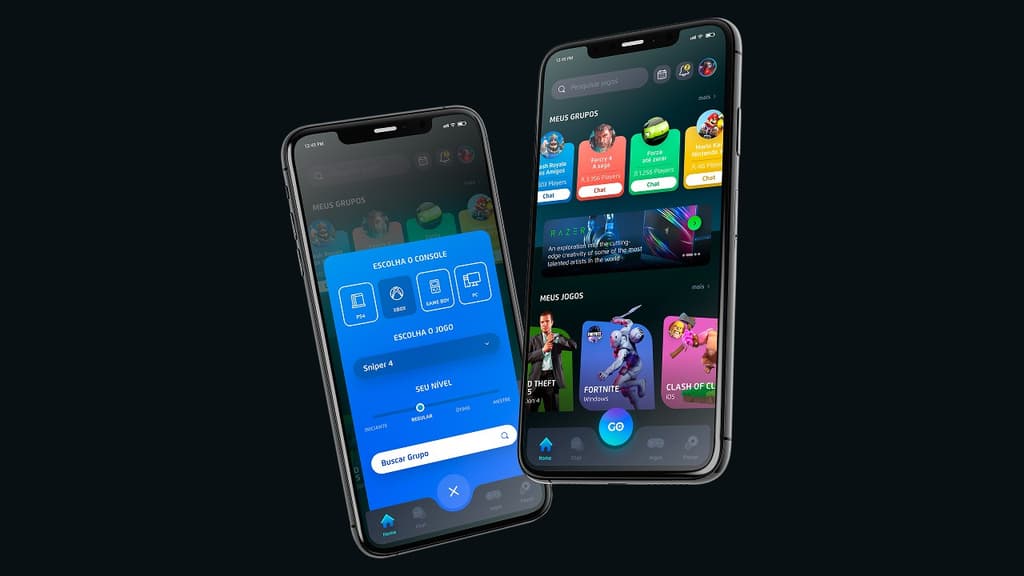
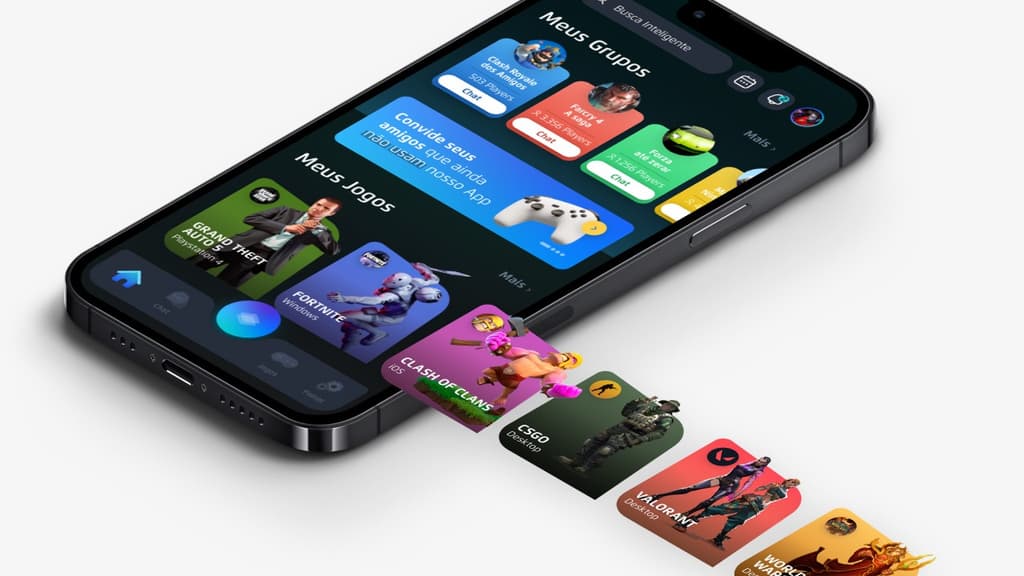
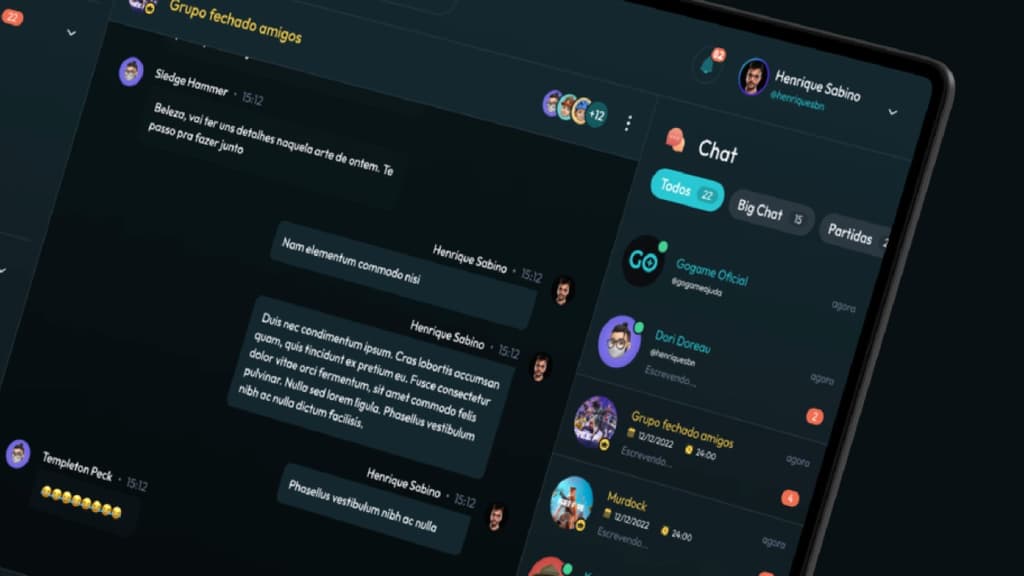
Interface design
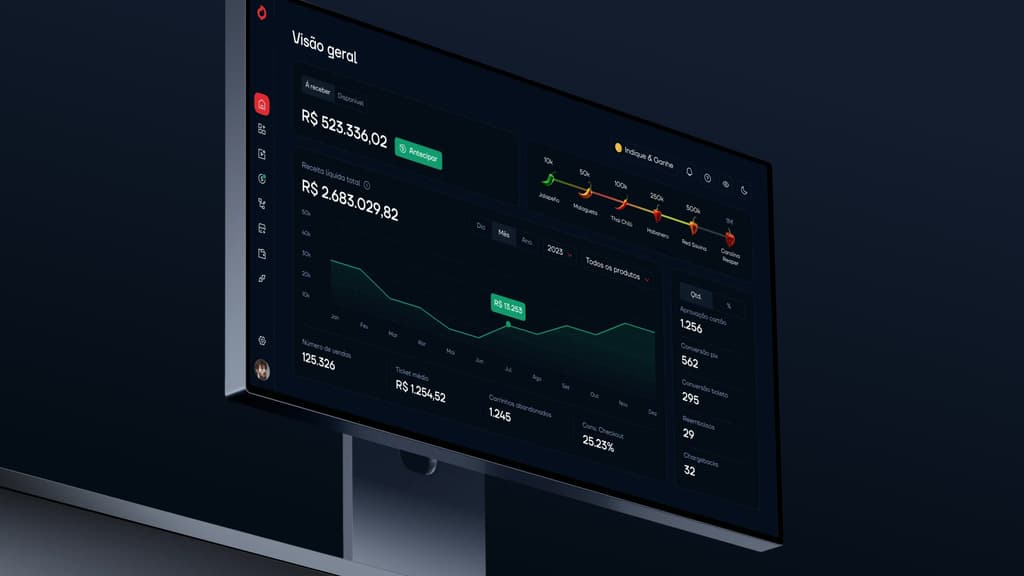
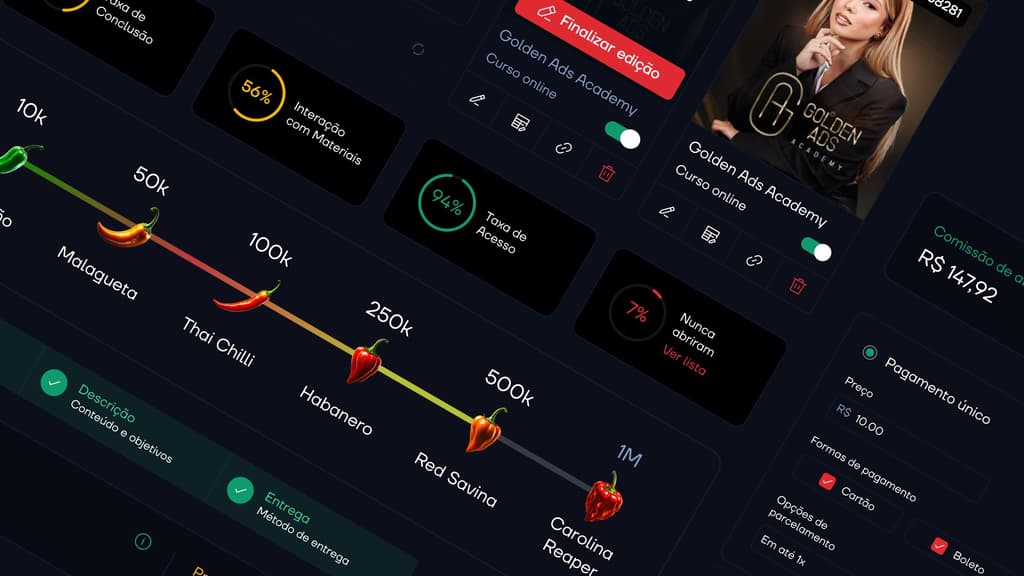
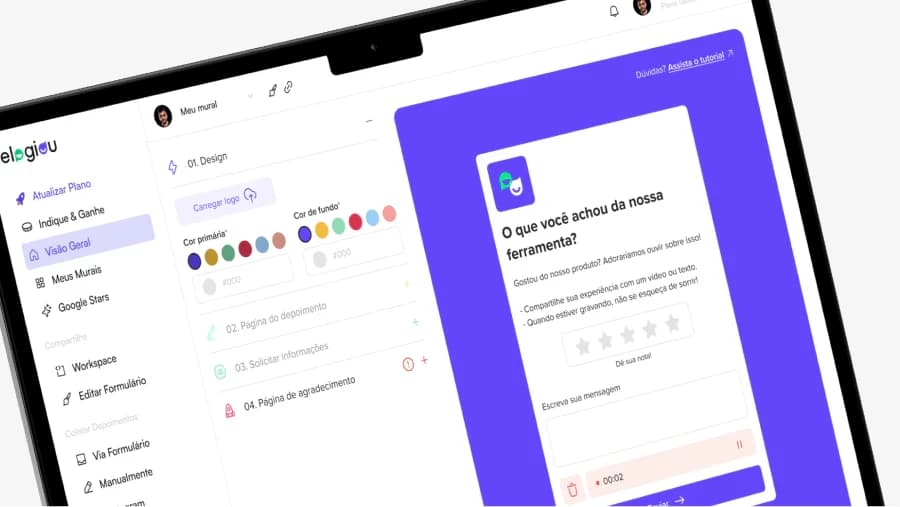
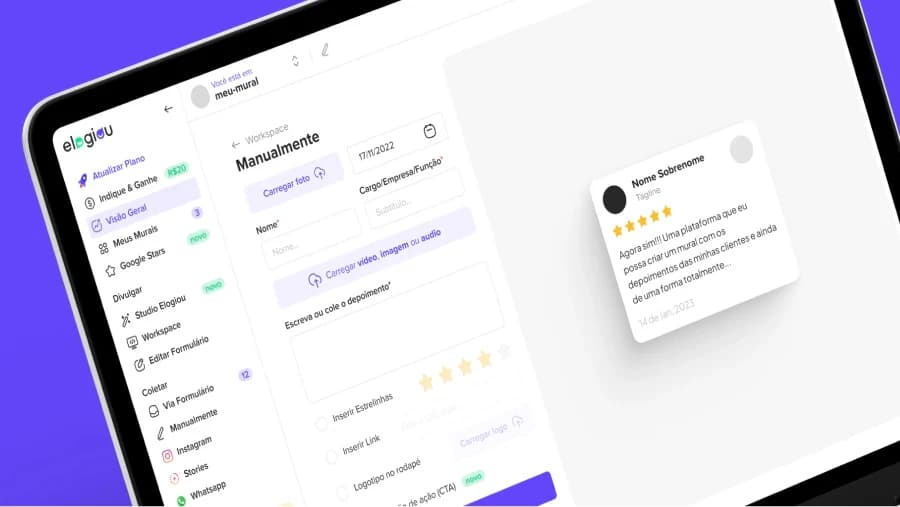
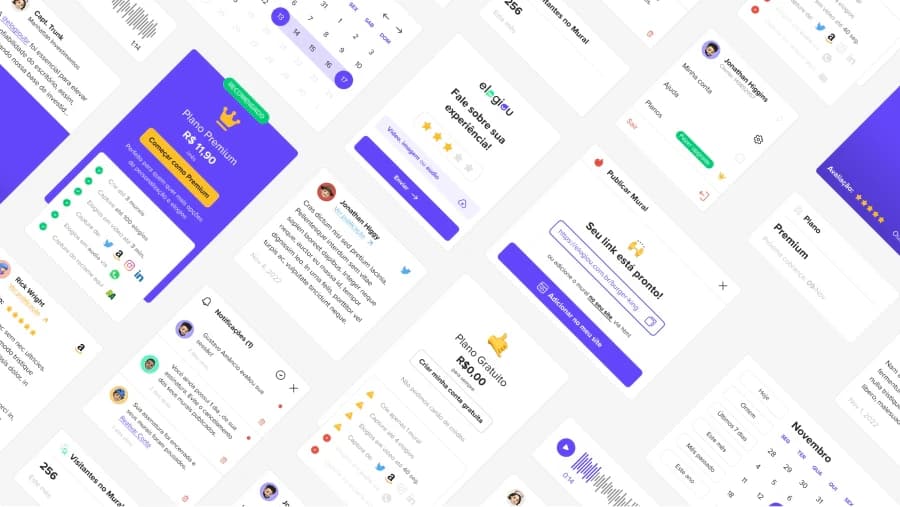
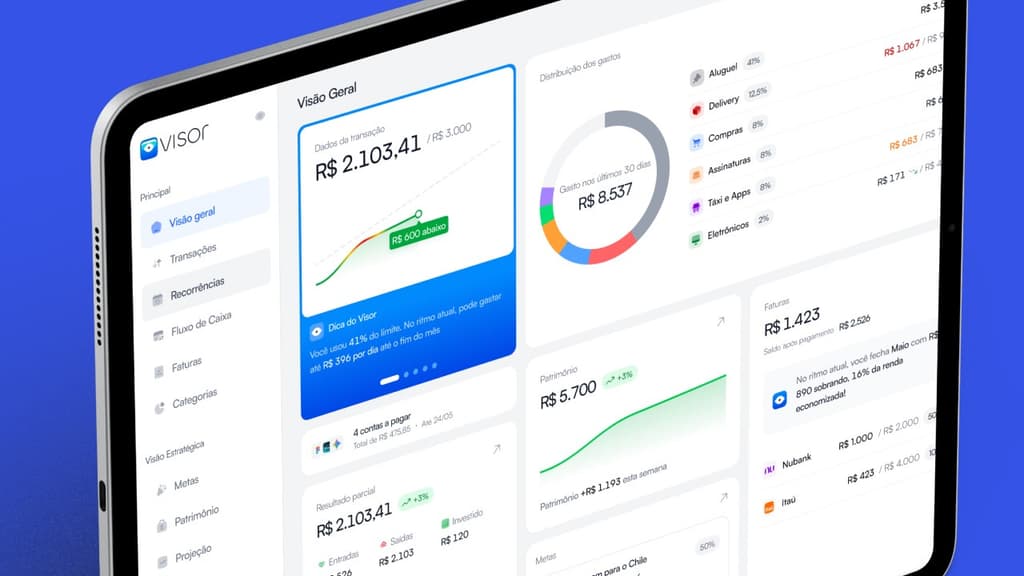
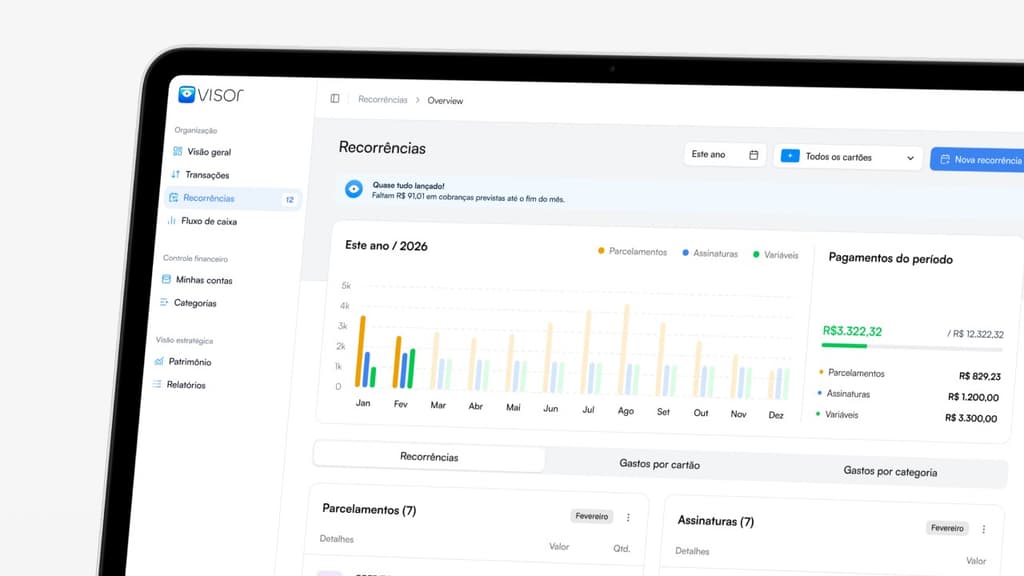
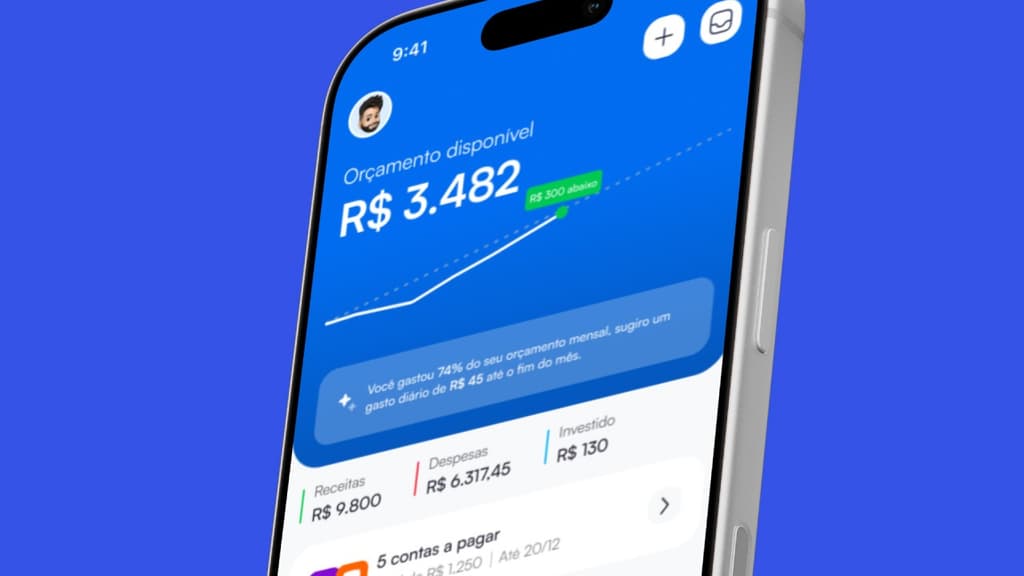
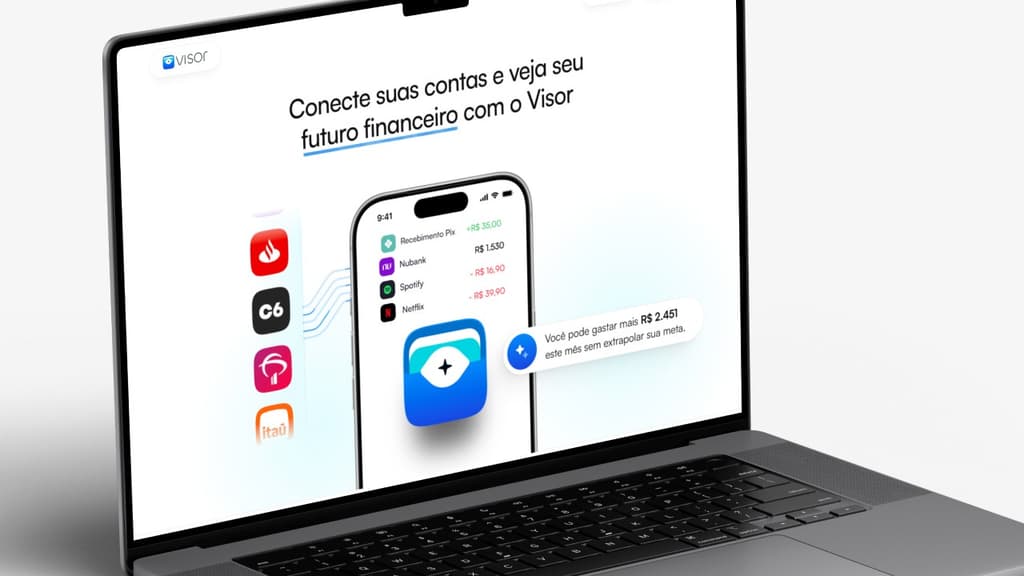
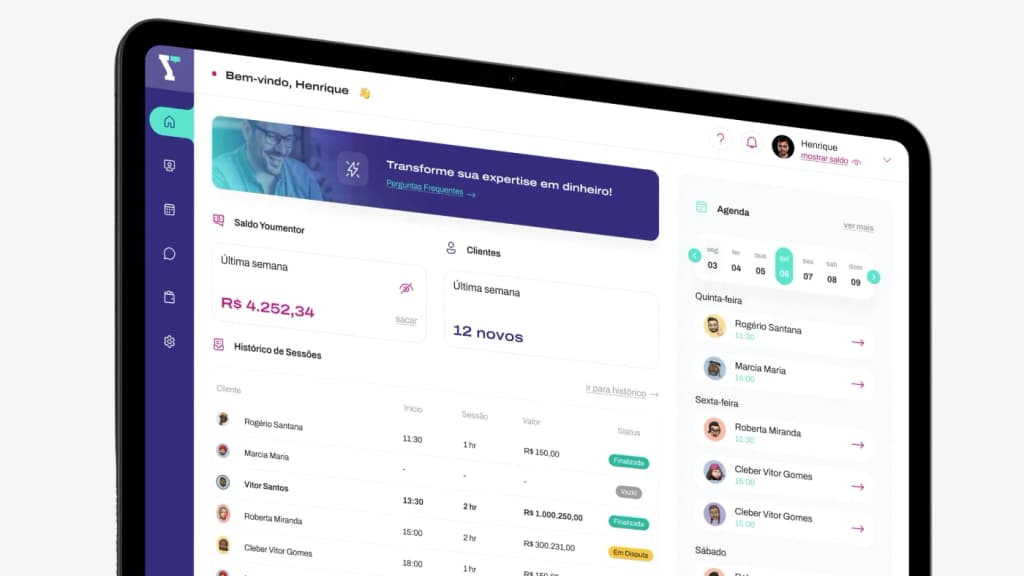
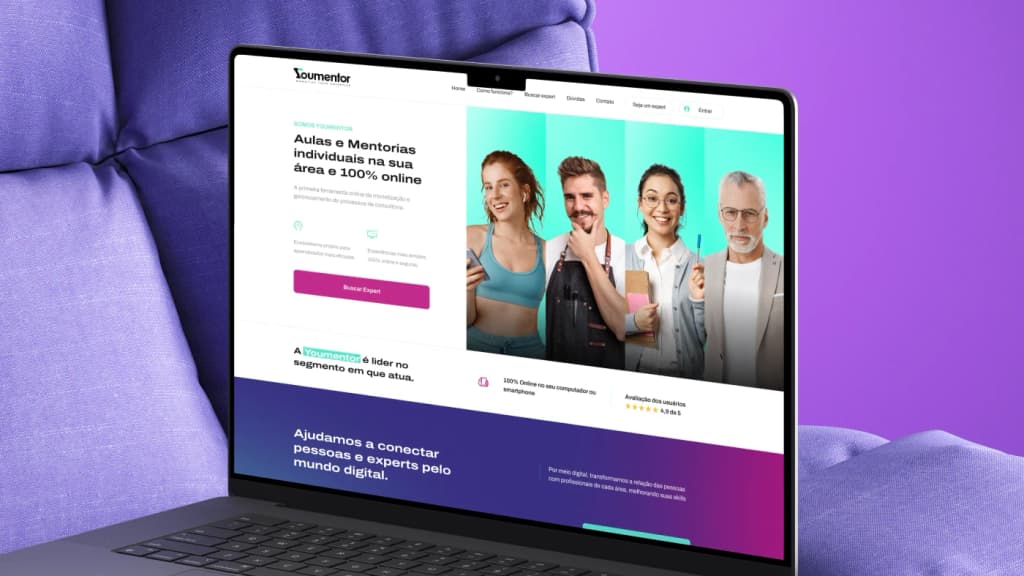
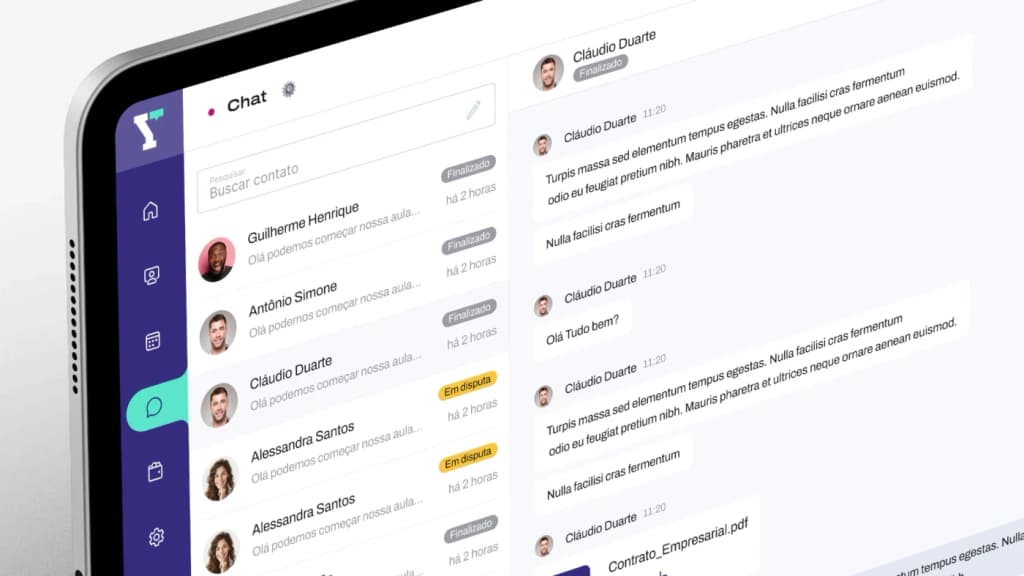
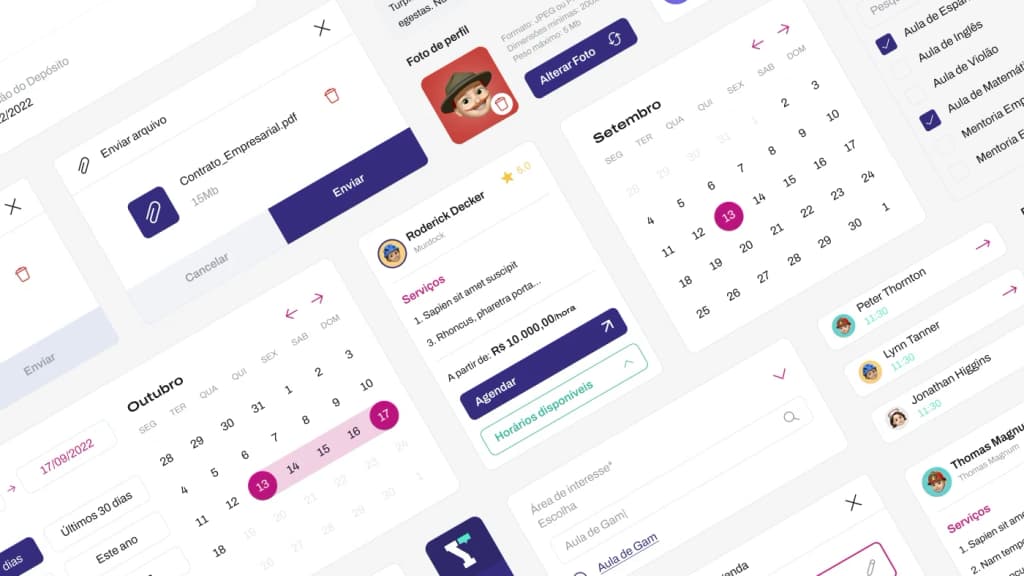
Screens designed for real operations, not for portfolio shots.
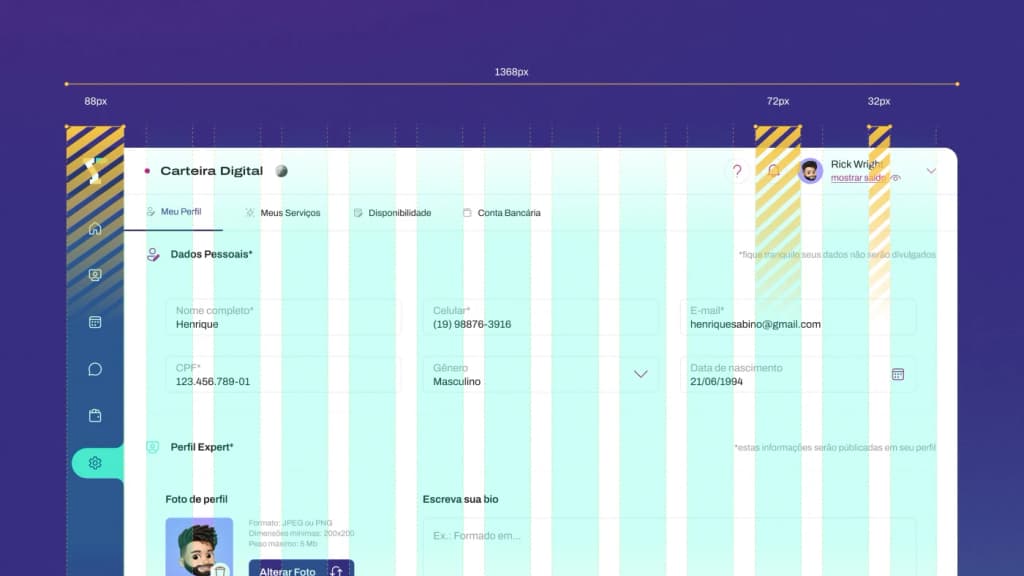
Product design system
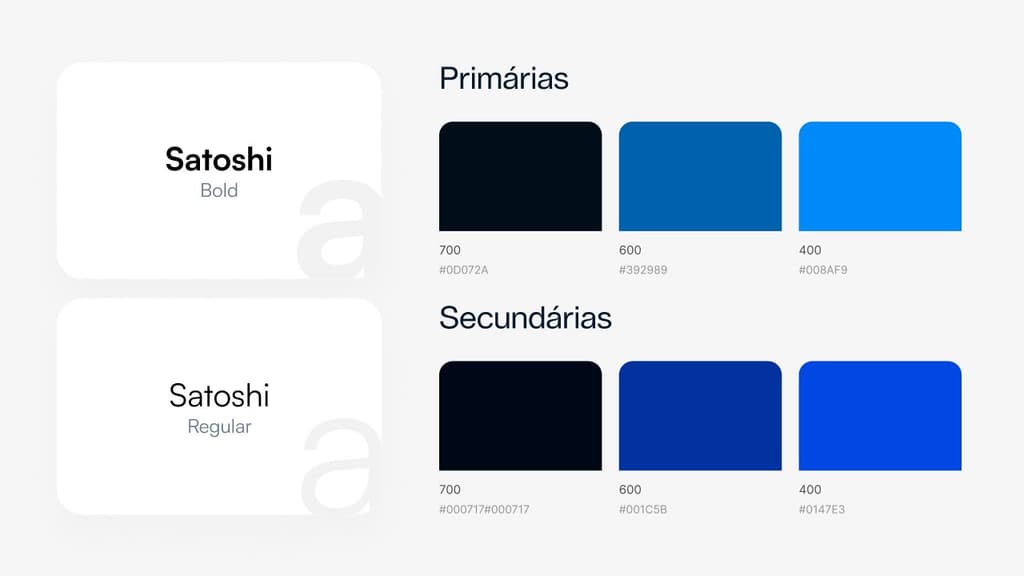
Components and tokens that support growth without rework.
Custom engineering
Front end, back end, database and integrations built for your case.
Authentication and billing
Login, plans, subscriptions and access control set up.
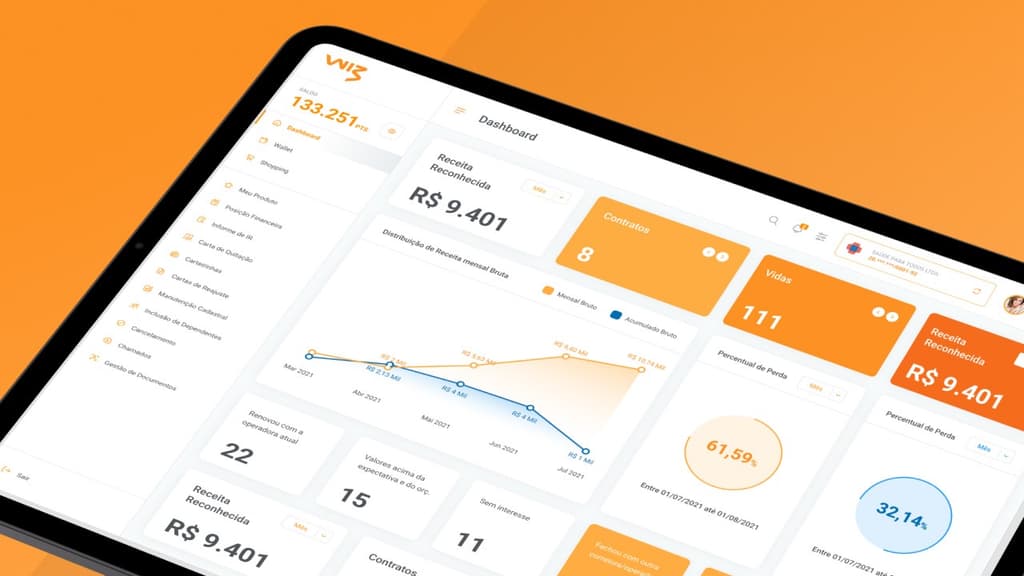
Admin dashboard
The screen your team uses every day, built with the same care.
Handoff with documentation
Code, access and documentation so your team can carry on alone.
COMPARISON
The difference between hiring a product studio and rushing it together
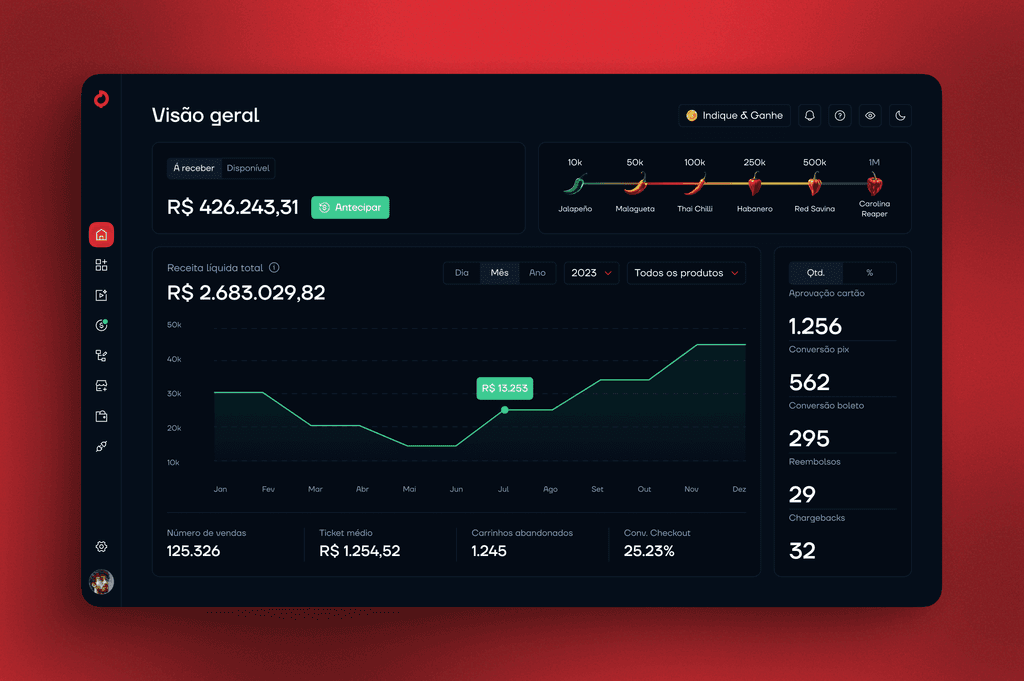
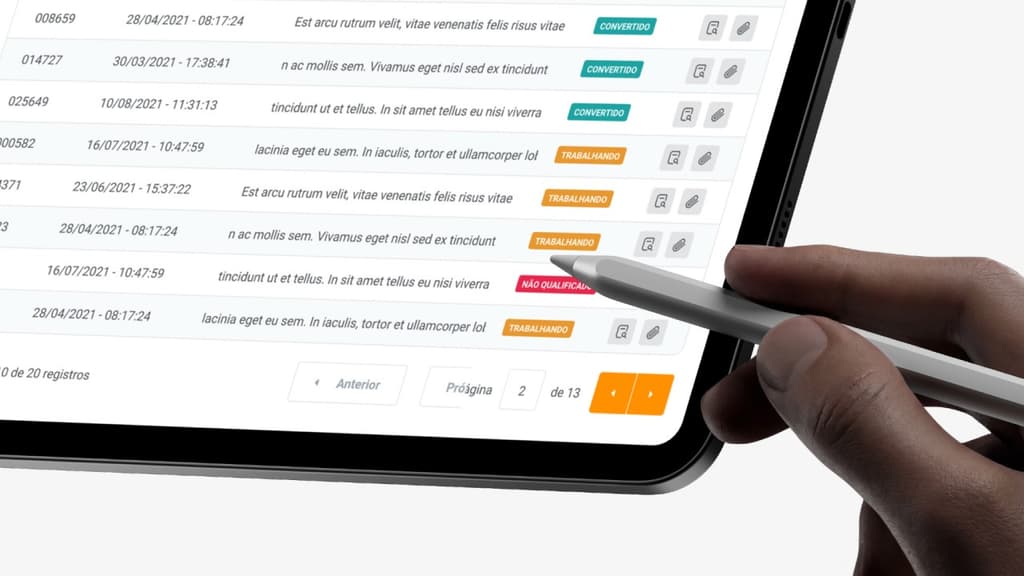
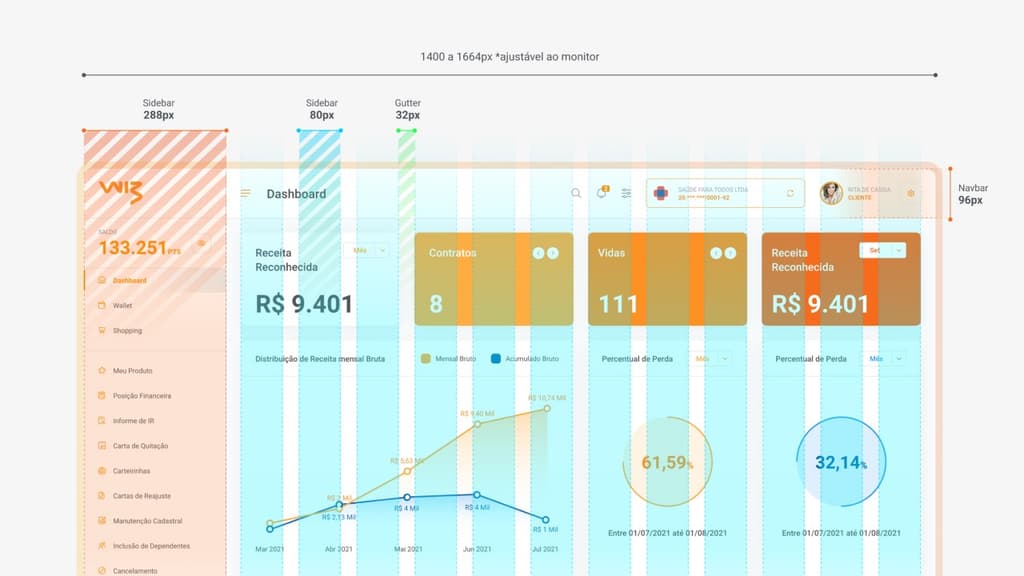
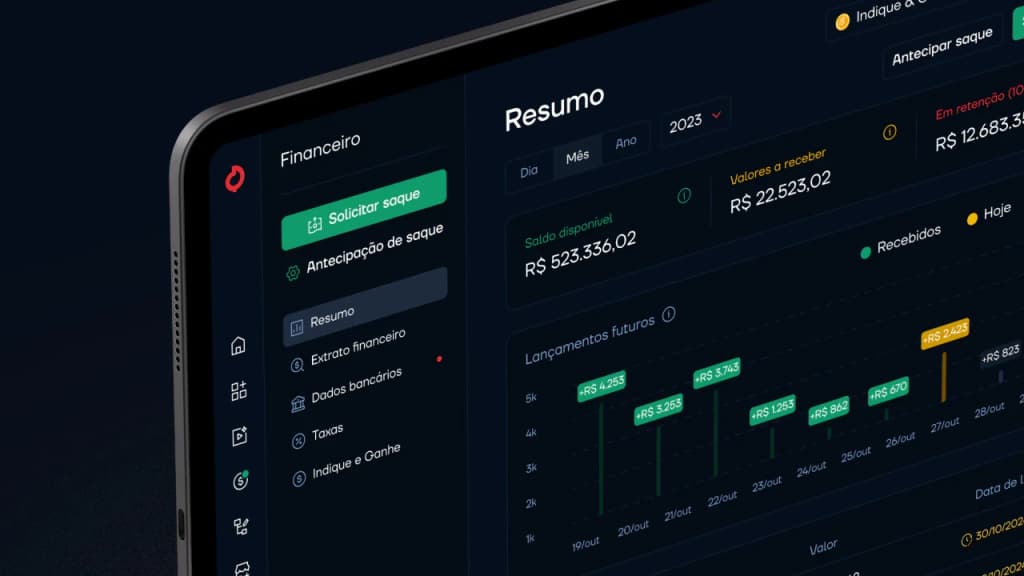
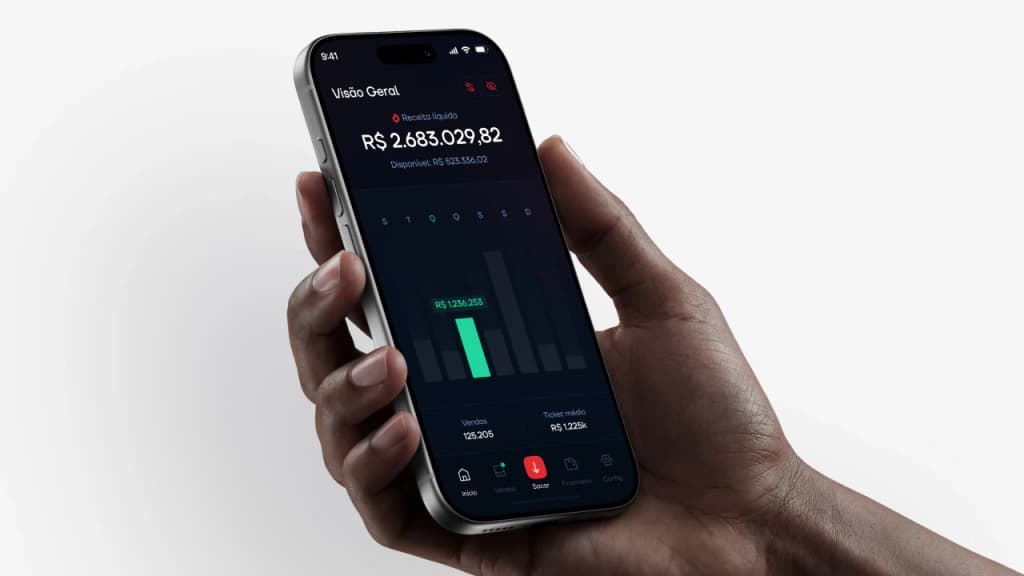
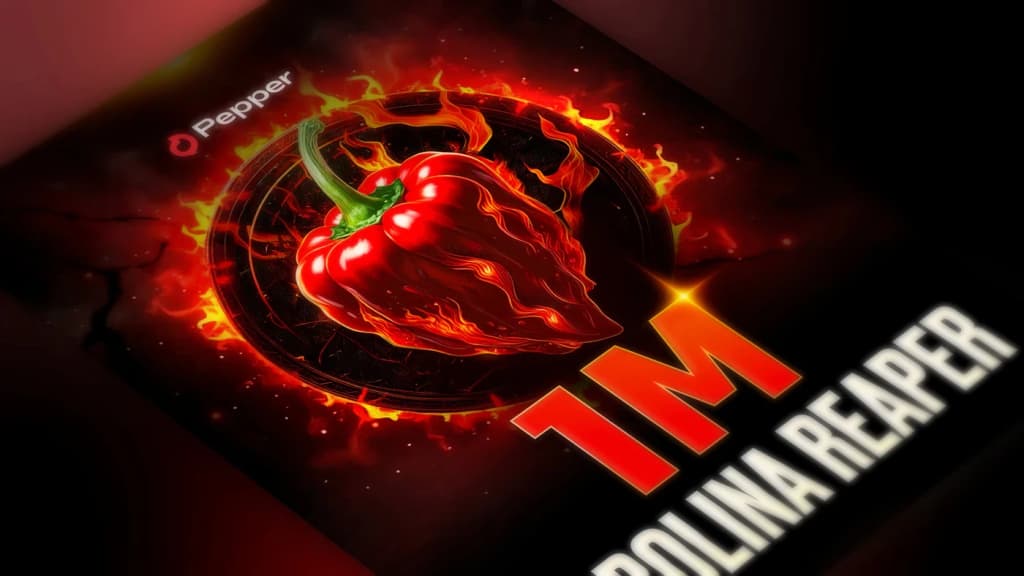
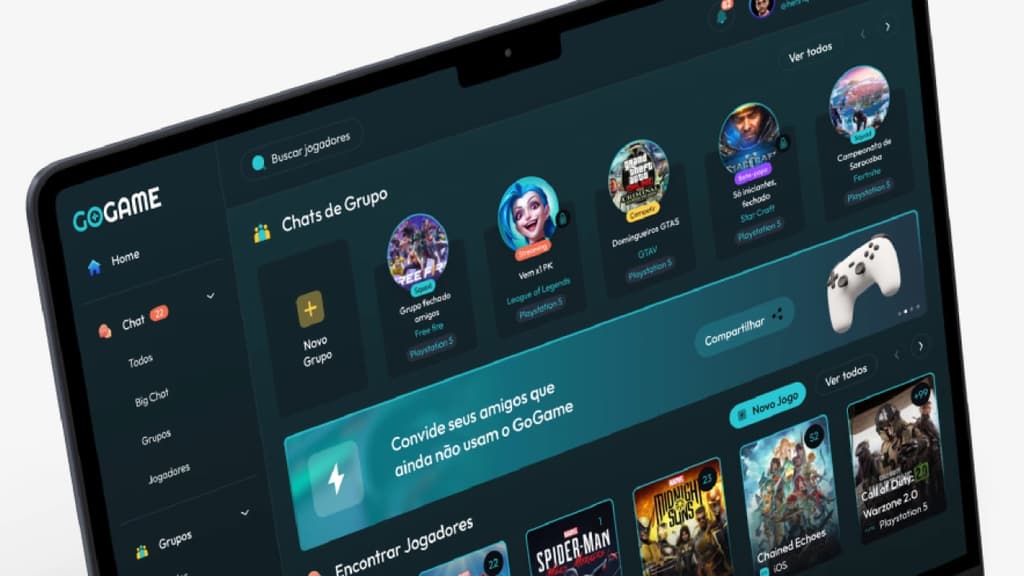
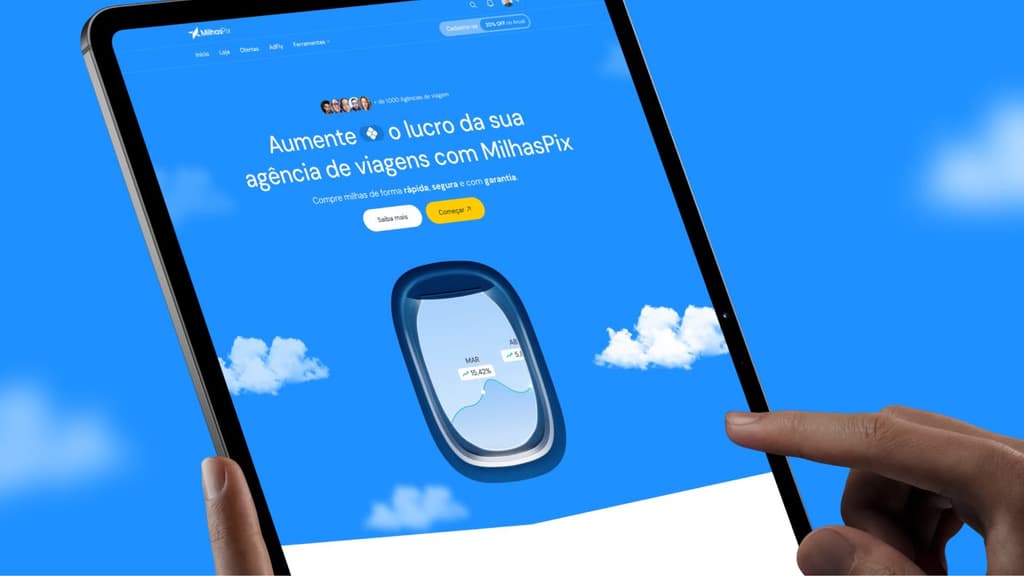
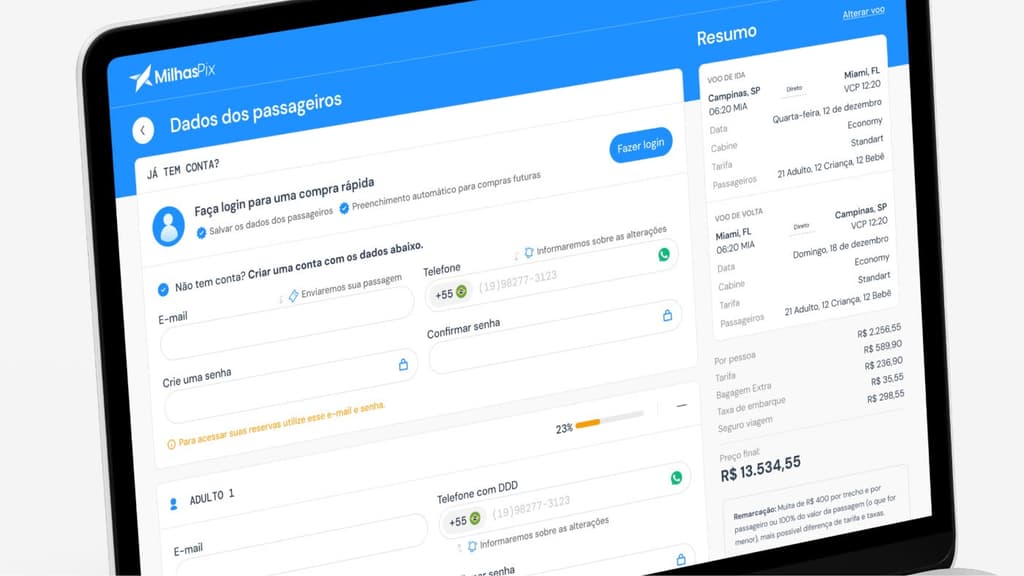
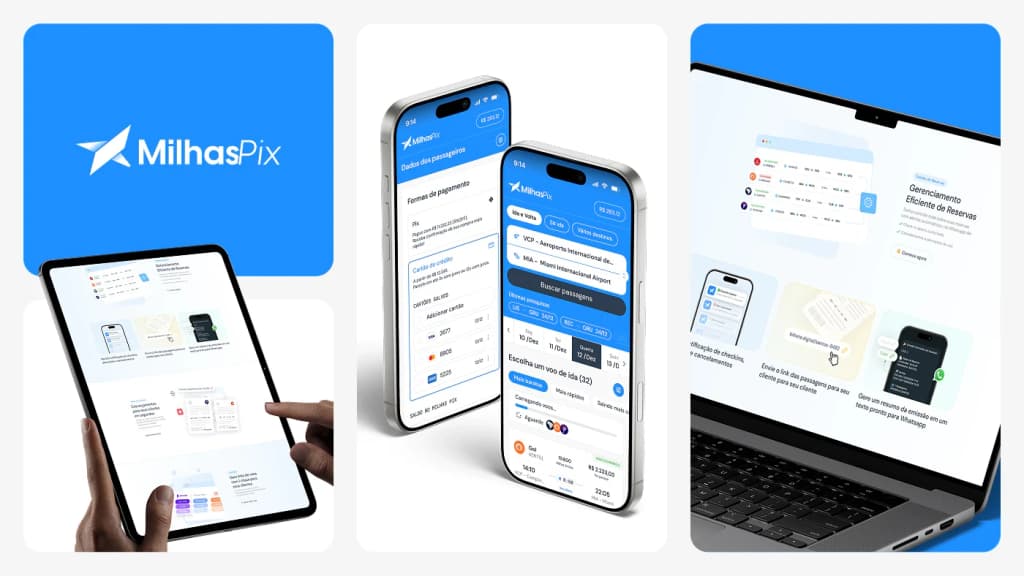
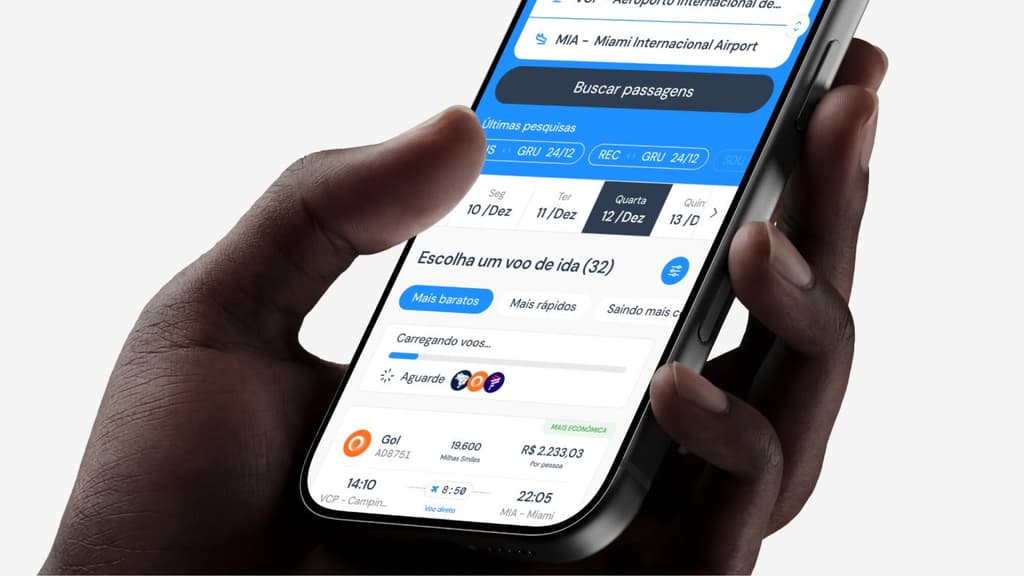
Over 200 projects delivered since 2020, including SaaS and custom software for Wiz Benefícios, Pepper, Milhas Pix, Gogame and Cappta.
WHO IT'S FOR
Wama vs. building a team from scratch
We don't hand over screens and wish you luck. We stay until the product is running.
Wama
Building a team from scratch
Scope cut before it gets expensive
A backlog that grows faster than revenue
Product, design and code heading the same way
Three vendors pointing fingers at each other
First version live in weeks
Hiring and onboarding eat up the quarter
Design system from the first screen
Rework when the product doubles in size
Code and access handed over to you
Permanent dependence on whoever built it
Validation and scoping
We understand the problem, who pays for it and what needs to exist in the first version. This stage defines the MVP scope and what's left for later.
Architecture and design
We design flows, screens and the product's design system. You click through the prototype before a single line of code.
Build
Front end, back end and integrations in short cycles, with clickable deliverables you can test along the way, not just at the end.
Launch and iteration
We launch, track real usage and prioritize the next batch based on data, not opinion.
Strategy
Interface Design
Web Design & Software
Branding
Consulting
Design System
UI & AI
Motion
Businesses transformed
Framer™ projects
Years in business
A disruptive project needs design that breaks past the ordinary, and that is what we guarantee.

Henrique Sabino
Wama Founder
01.
How much does it cost to build a SaaS?
It depends on the size of the first version and the integrations. Product projects usually start above US$10,000, and what moves the price most is the number of screens, permission rules and third-party integrations.
02.
How long does it take to launch the first version?
An MVP with an honest scope takes two to four months. When the deadline slips, it's almost always because the first version tried to solve three problems instead of one.
03.
Do you only do design, or code too?
Both. Product, design and engineering sit under the same lead, and that's exactly what prevents a beautiful design that development can't deliver.
04.
Do I own the code?
Yes. We hand over the repository, access and documentation at the end of the project. Our goal is for your team to keep evolving the product without depending on Wama.
05.
Do you work on products that are already live?
Yes. We step into products already on the market to restructure the experience, fix bottlenecks, build new features or modernize an interface that has aged.
06.
What stack do you use?
We pick the stack for the problem, not out of preference. On most projects we use React on the front end, a relational database and managed services for authentication, files and billing.
07.
How does subscription billing work?
We set up plans, checkout and access control with the payment provider that makes sense for your market, and leave a dashboard your team can manage without calling us.
08.
Do I need to have everything figured out?
No. Many people come in with an idea and a spreadsheet. Part of our job is turning that into an executable scope, with what's in and what's out written down.
09.
Do you sign NDAs?
We do. It's standard practice on our product projects, and the agreement can be sent before the first technical conversation.
10.
What about after launch?
We can continue on a monthly retainer to evolve the product, an hours package for one-off requests, or hand the baton to your in-house team with documentation and a support period.