UI design for products people use all day

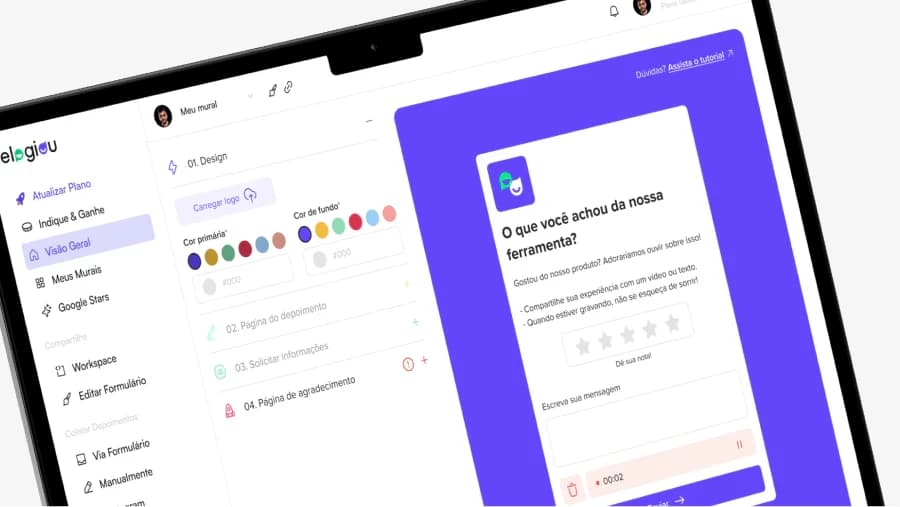
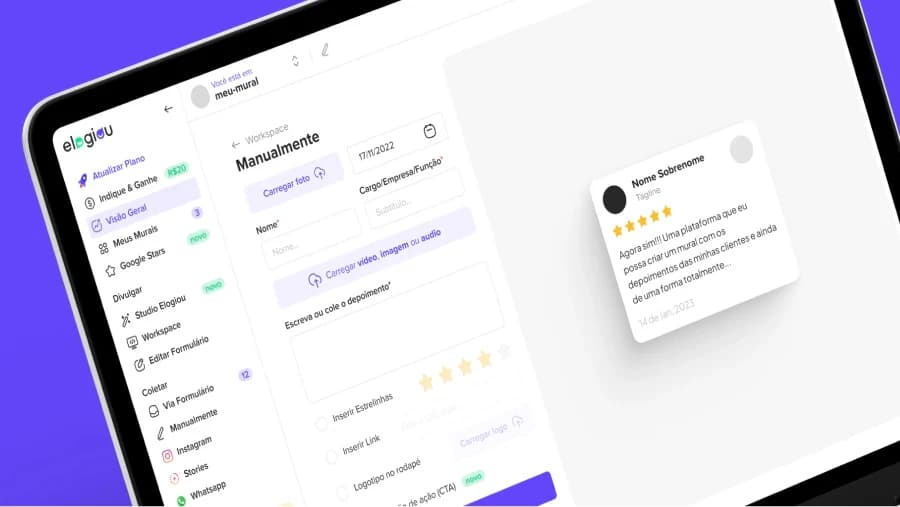
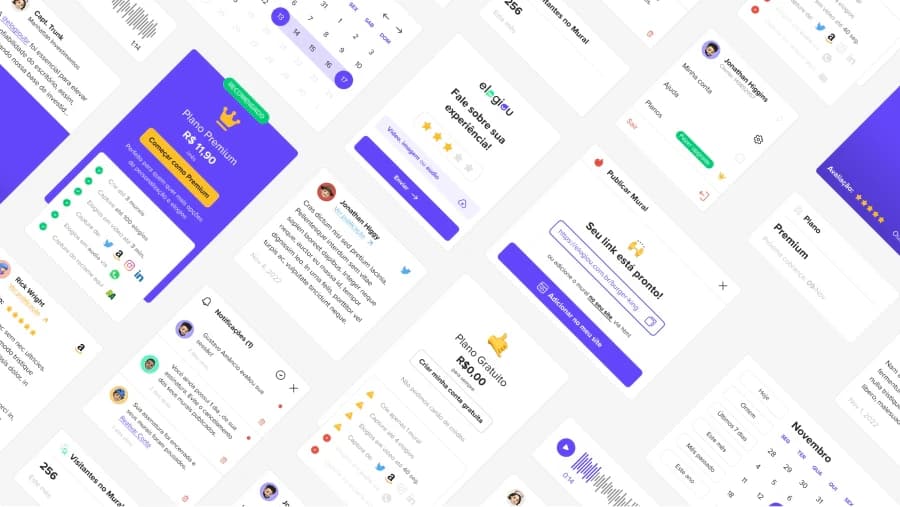
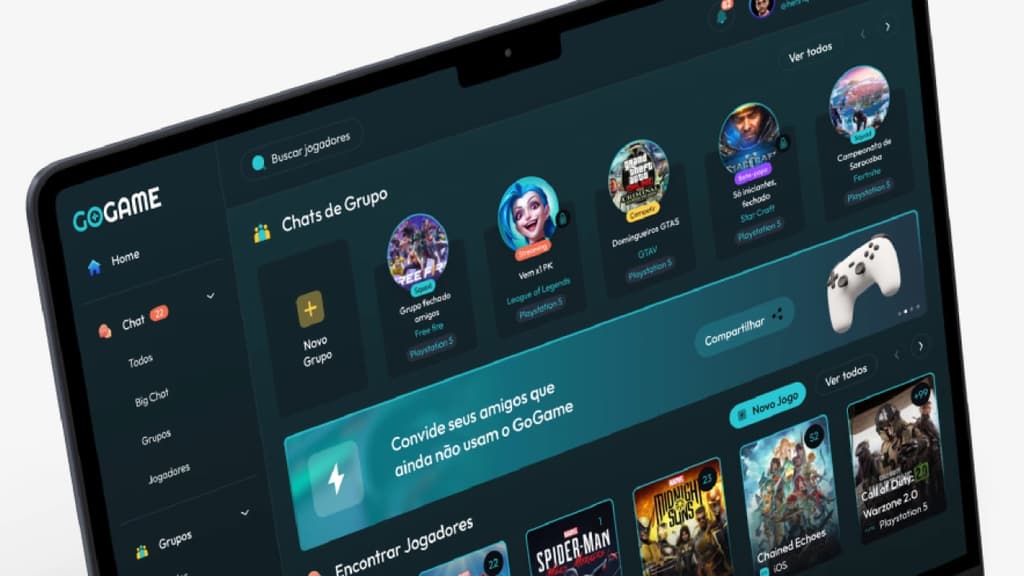
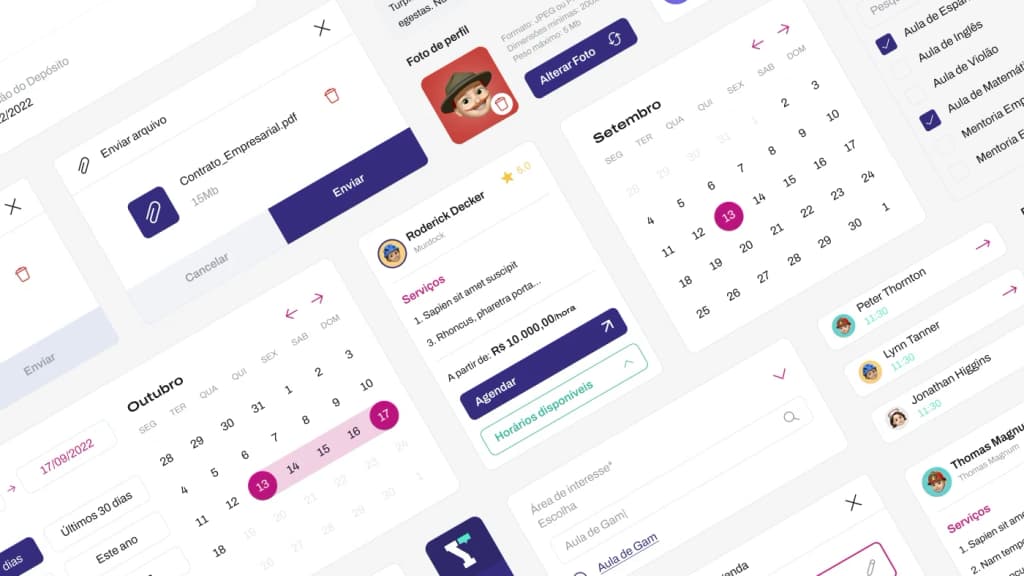
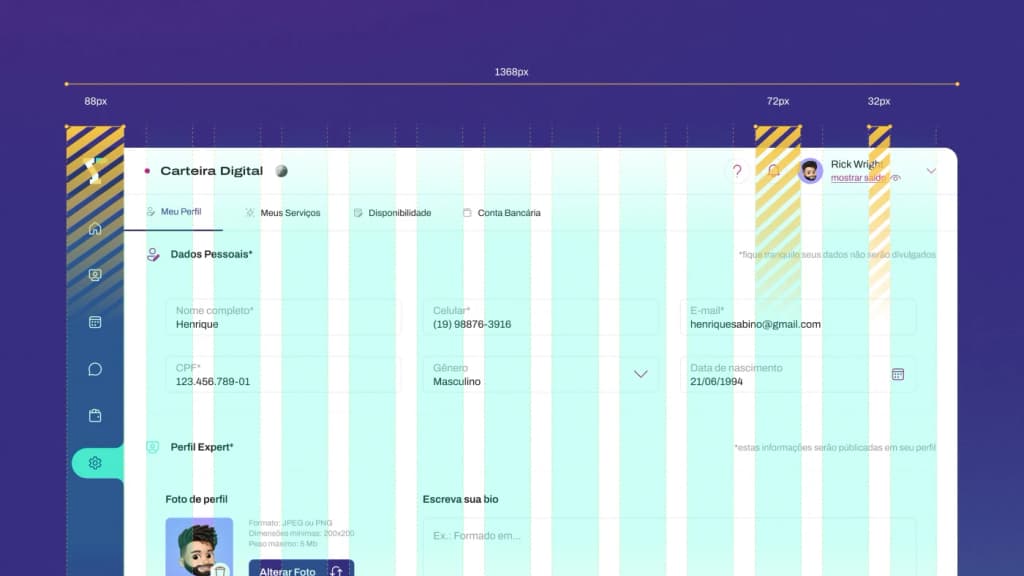
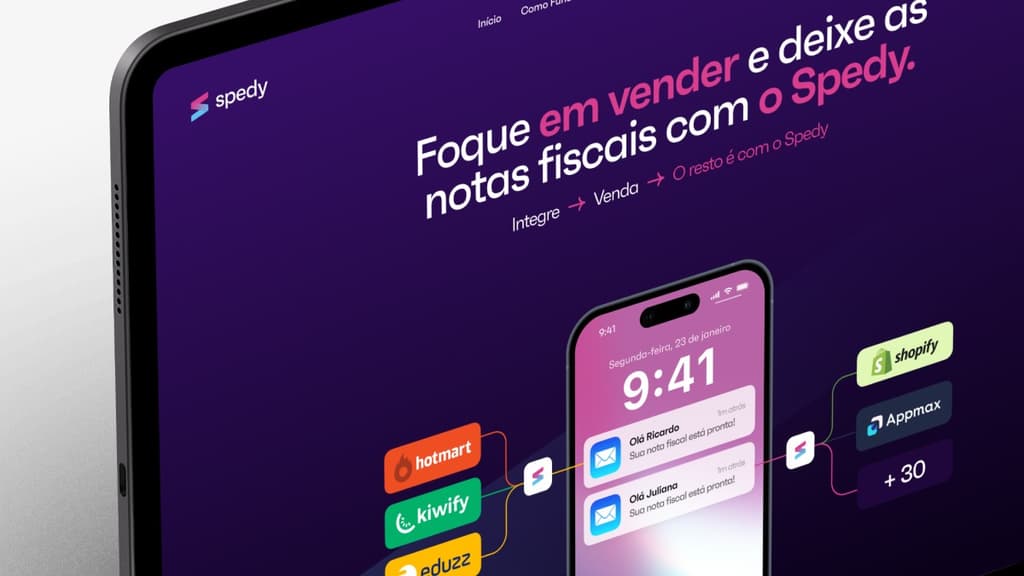
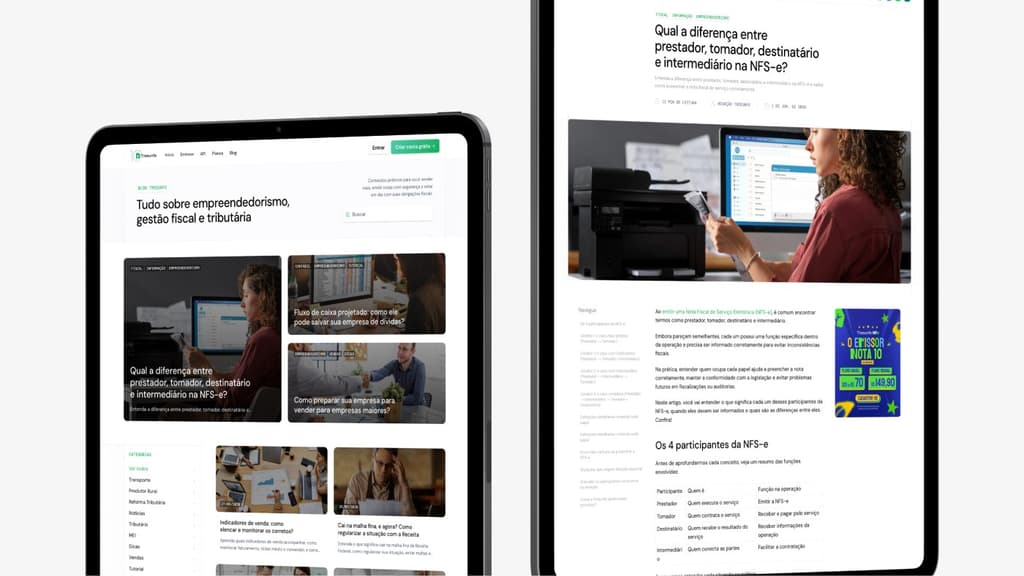
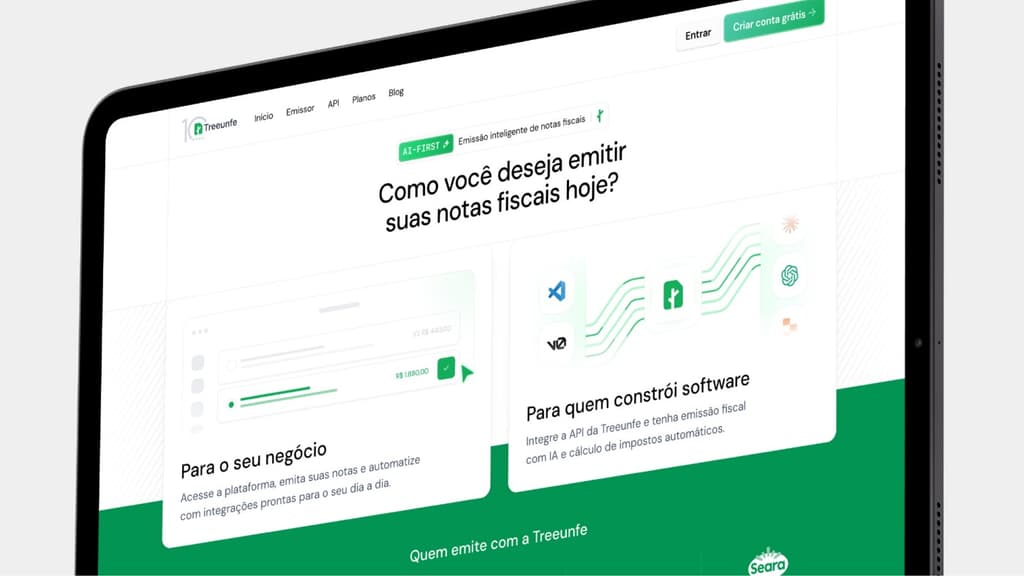
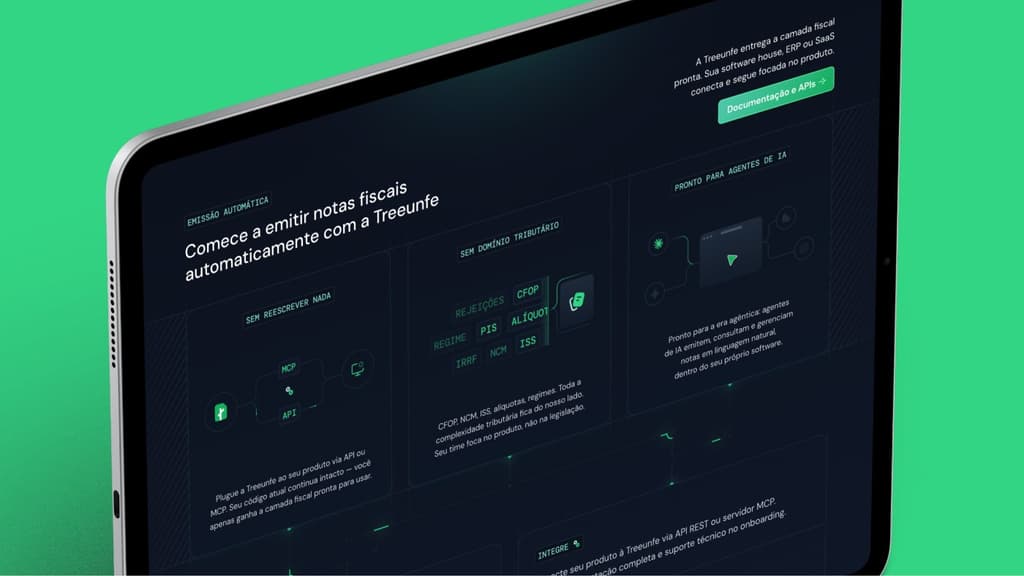
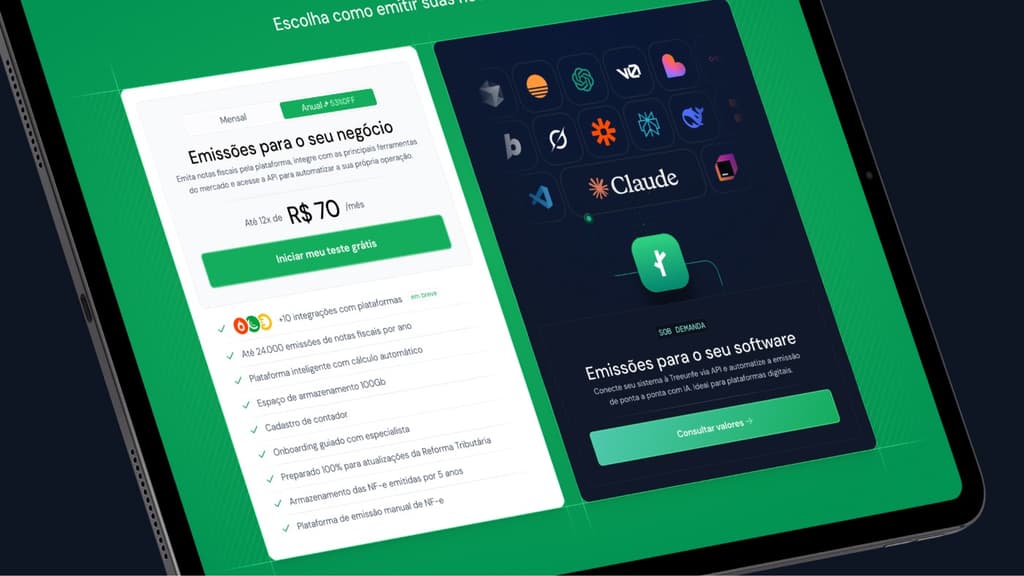
Operations review
We talk to the people who use the system every day, not just the ones who hire us.
Information architecture
We organize navigation, hierarchy and what shows up in each context.
Flows and states
Empty, loading, error and success states designed, not improvised in code.
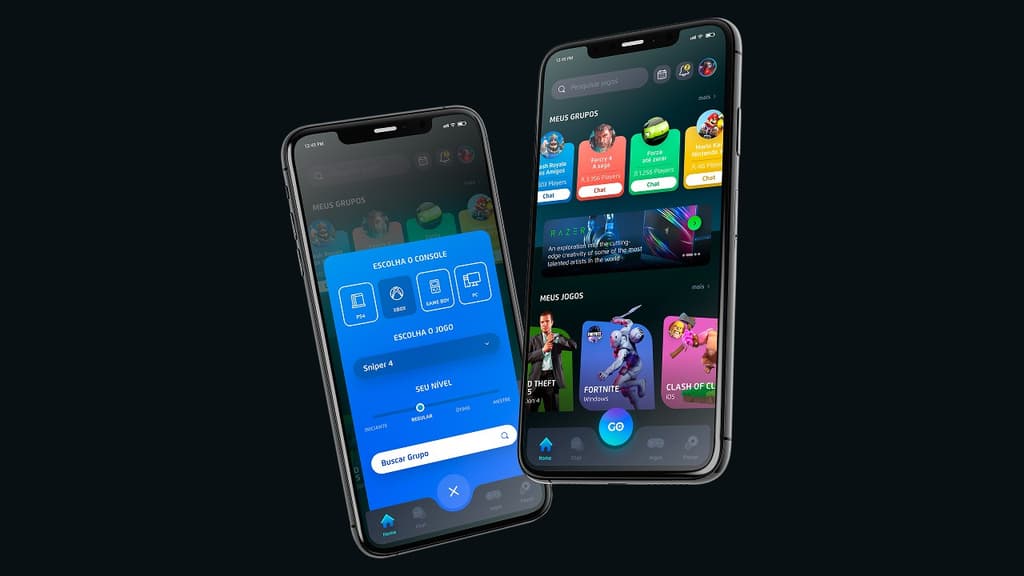
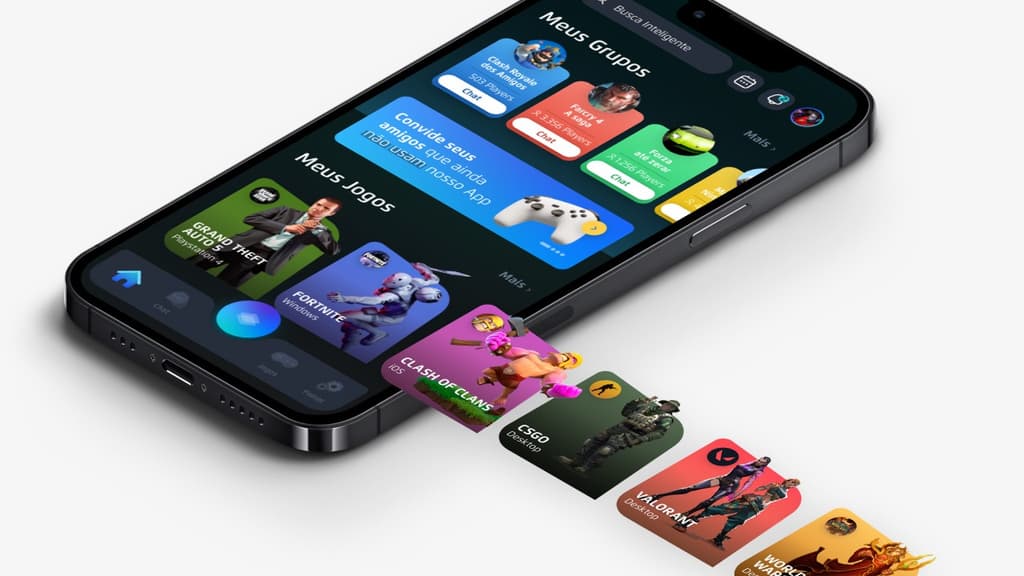
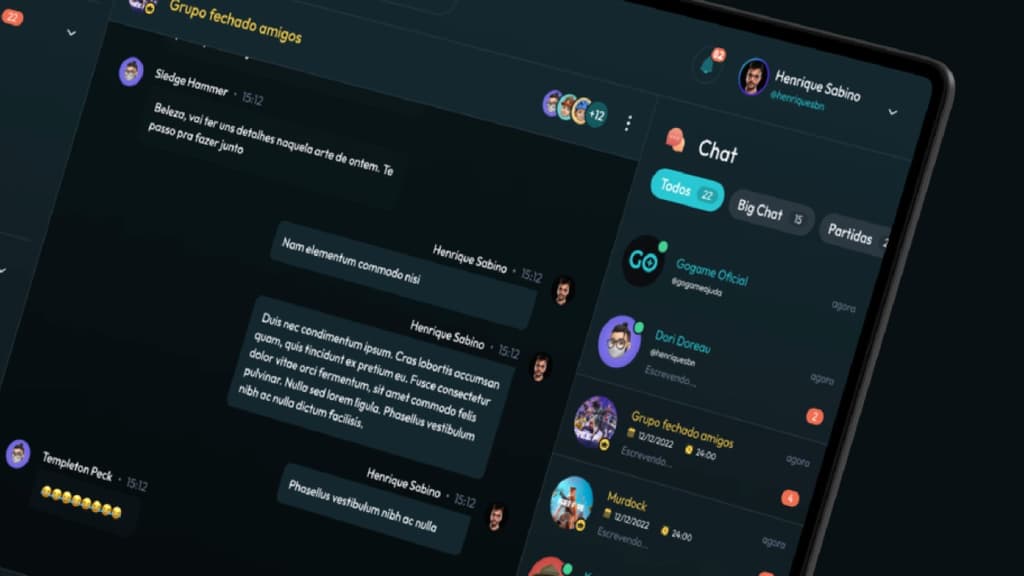
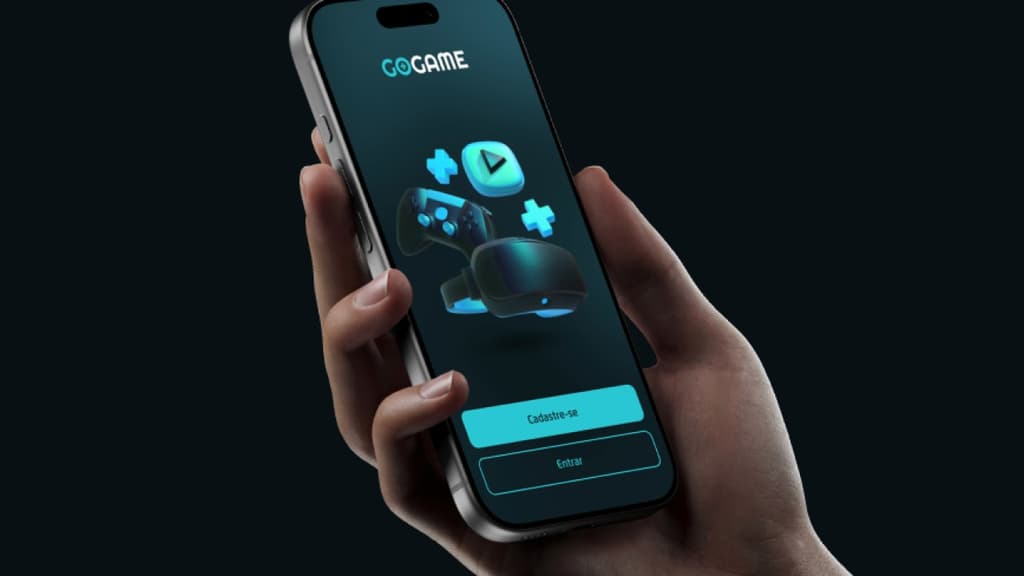
High-fidelity screens
Final layout in Figma, ready to become a real interface.
Clickable prototype
You click through the product before investing in development.
Design system
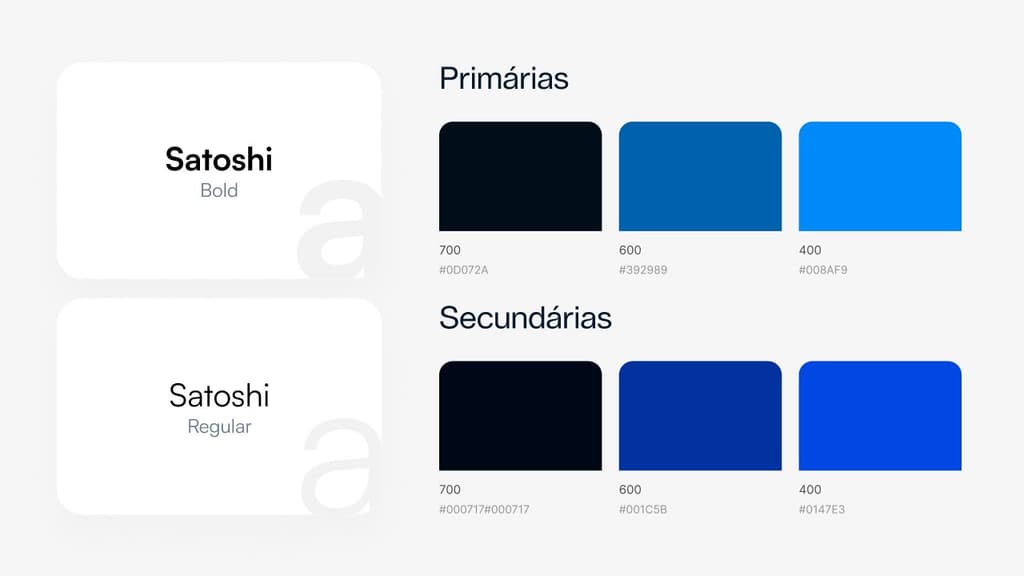
Components and tokens your team can follow without reopening every decision.
Accessibility and contrast
Target size, contrast and keyboard checked before handoff.
Engineering handoff
Specs, measurements and support during the build.
COMPARISON
What changes when your interface is designed by people who also build
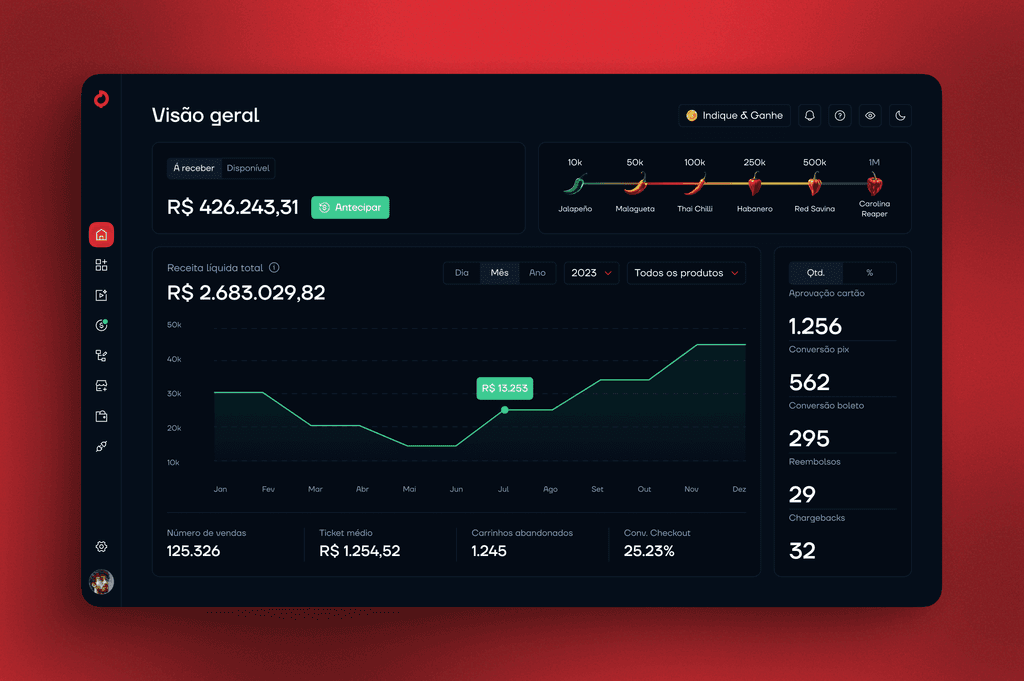
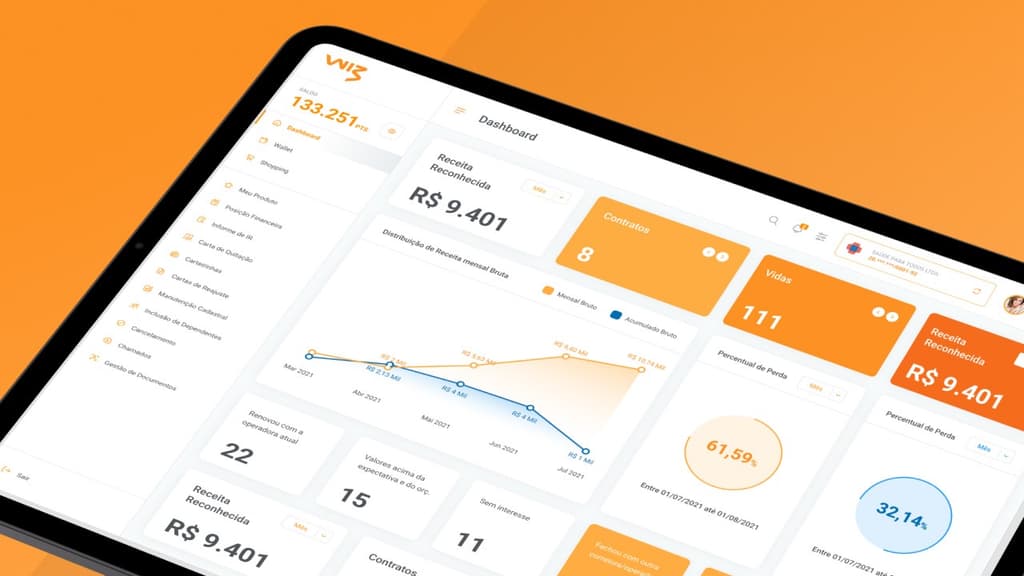
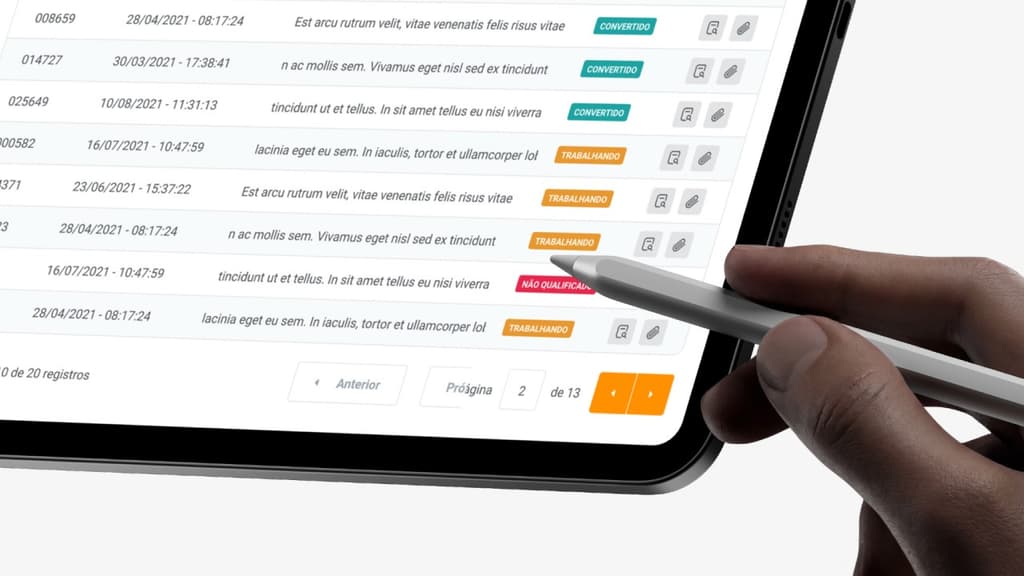
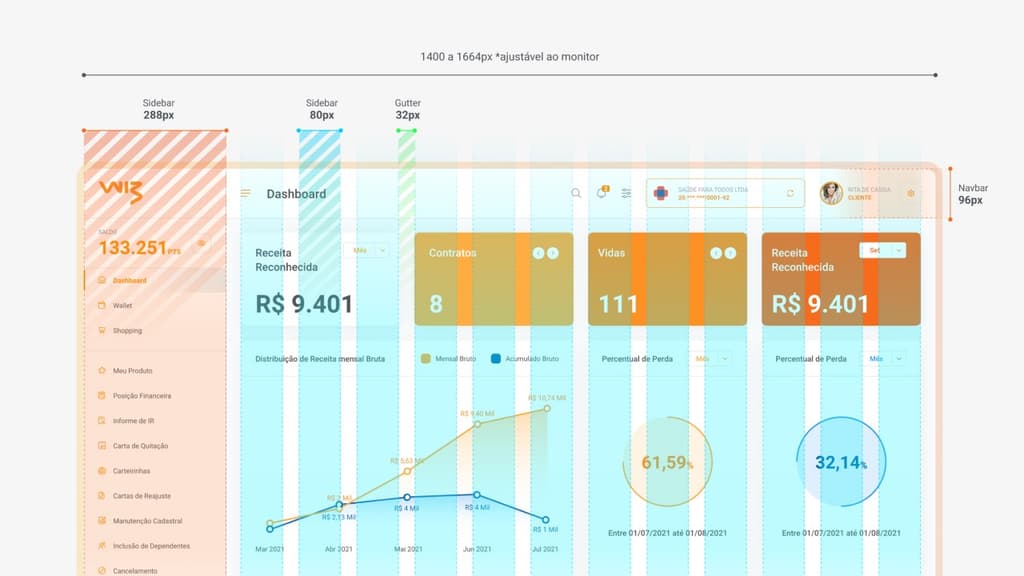
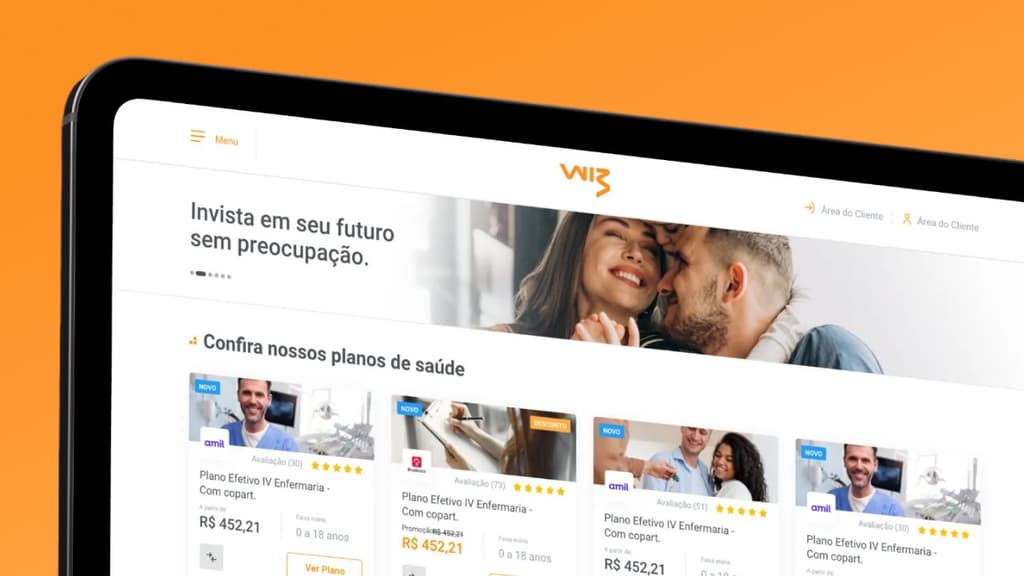
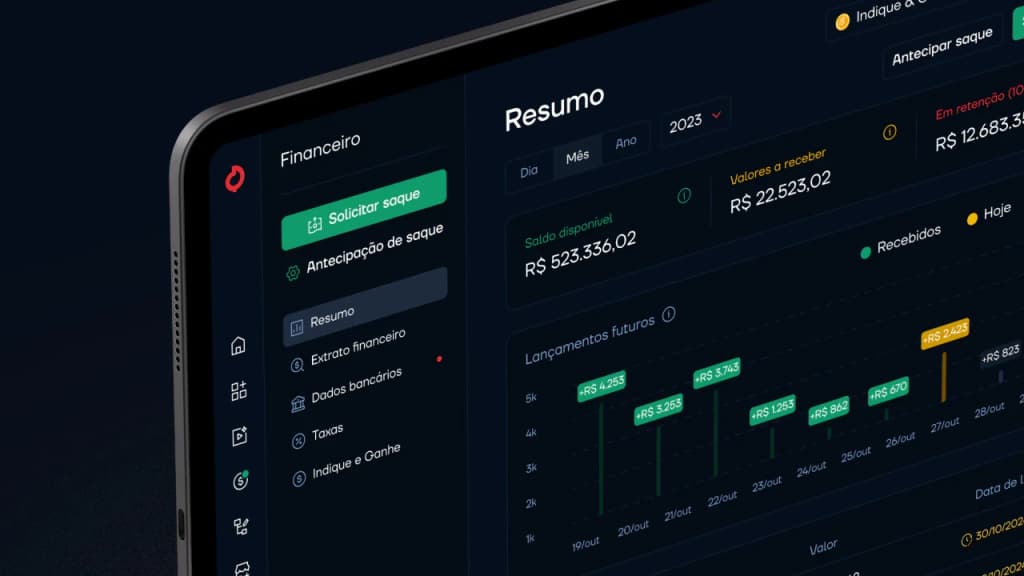
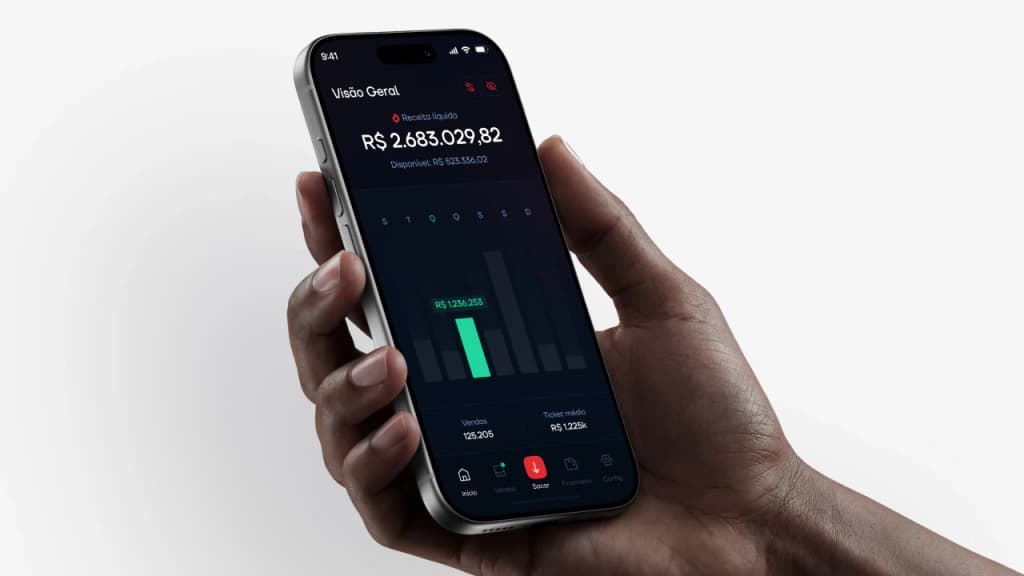
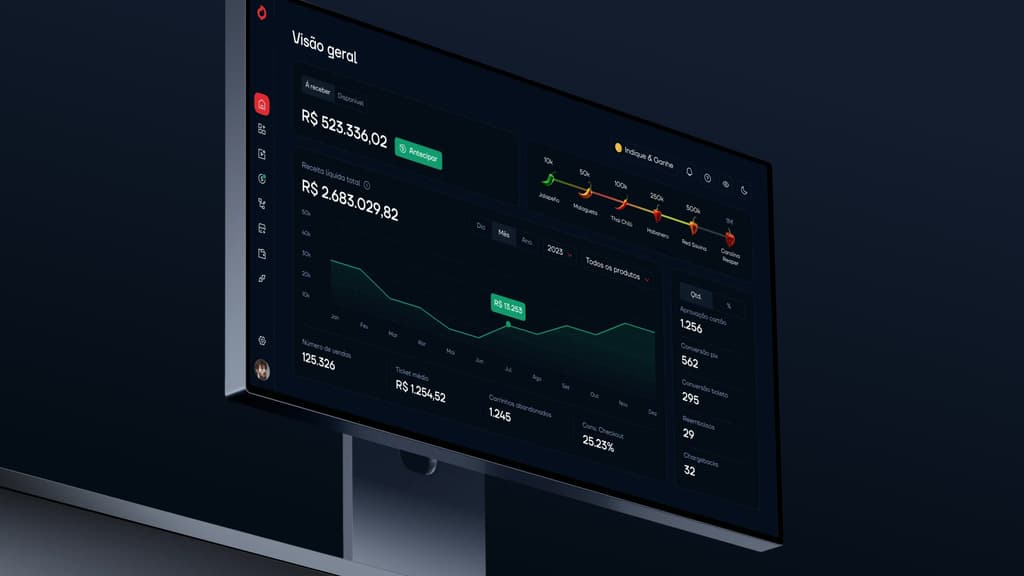
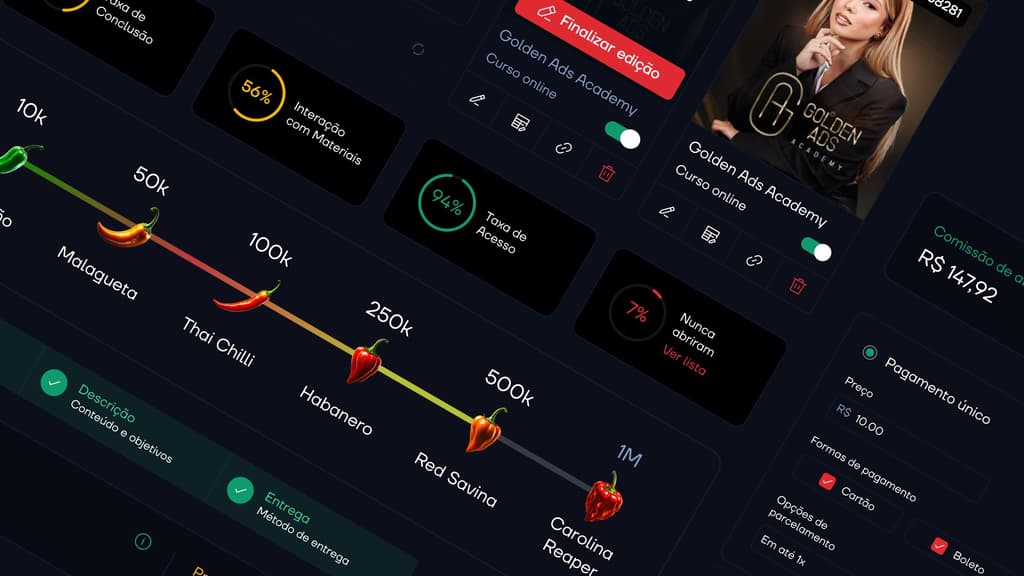
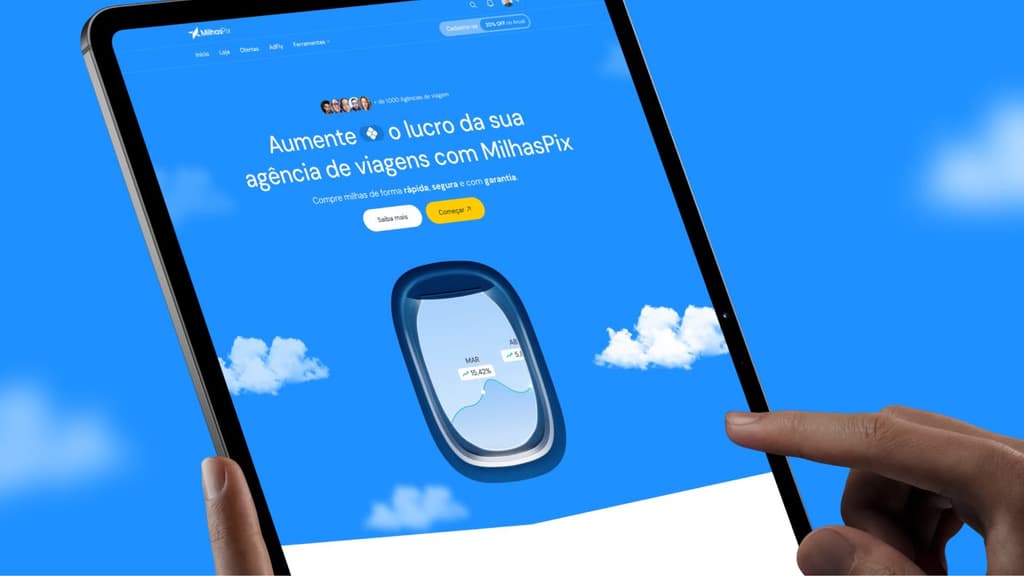
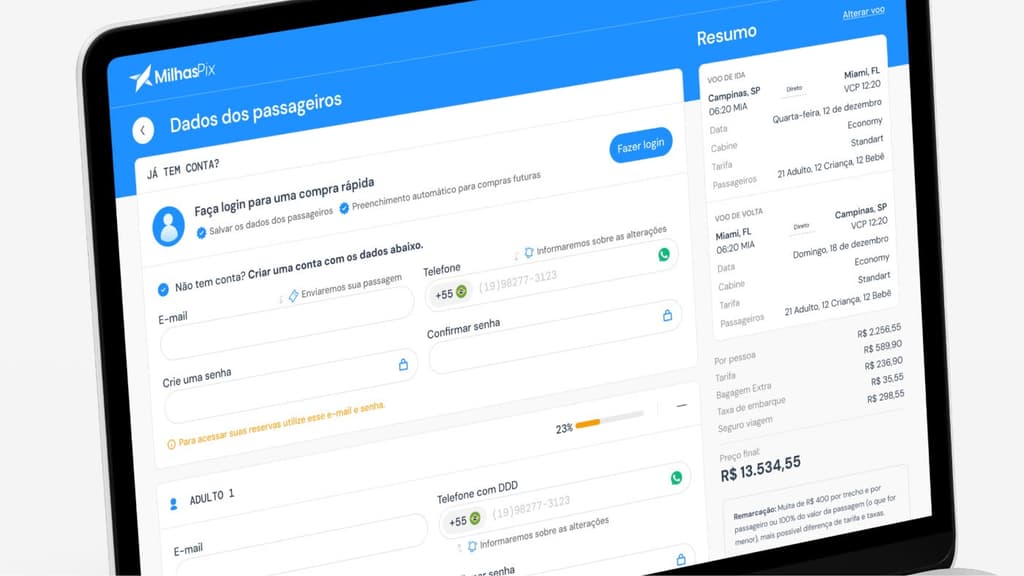
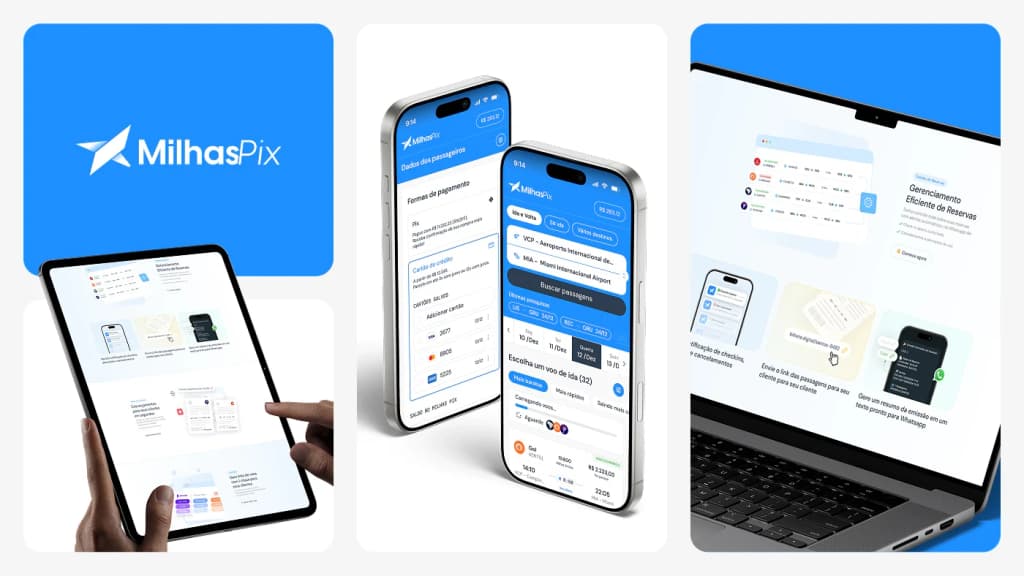
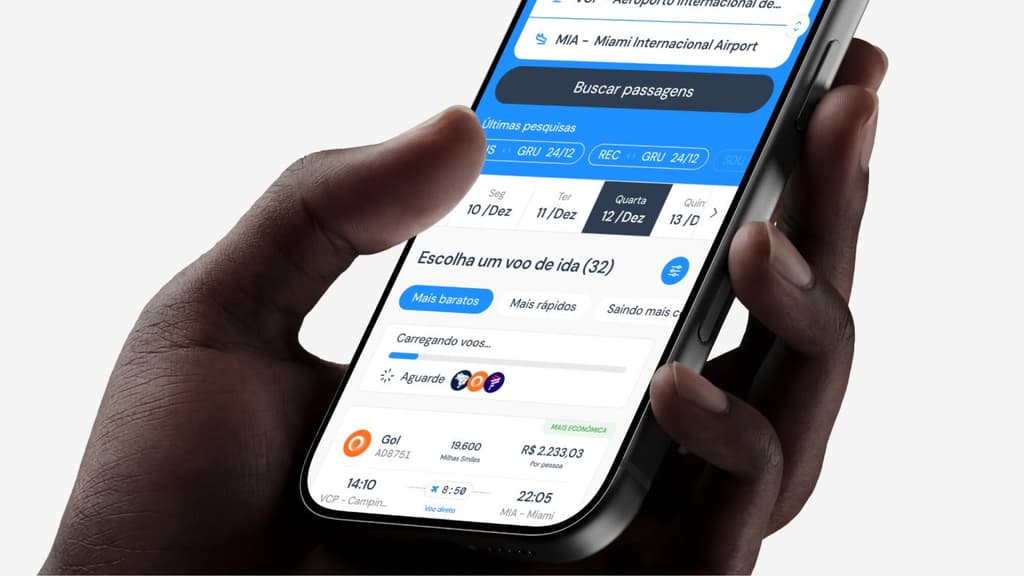
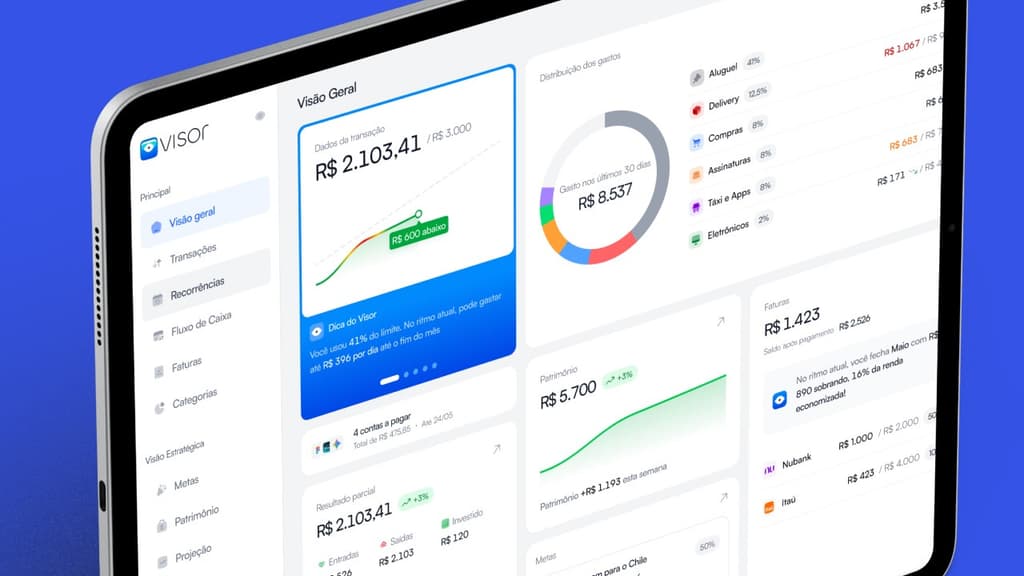
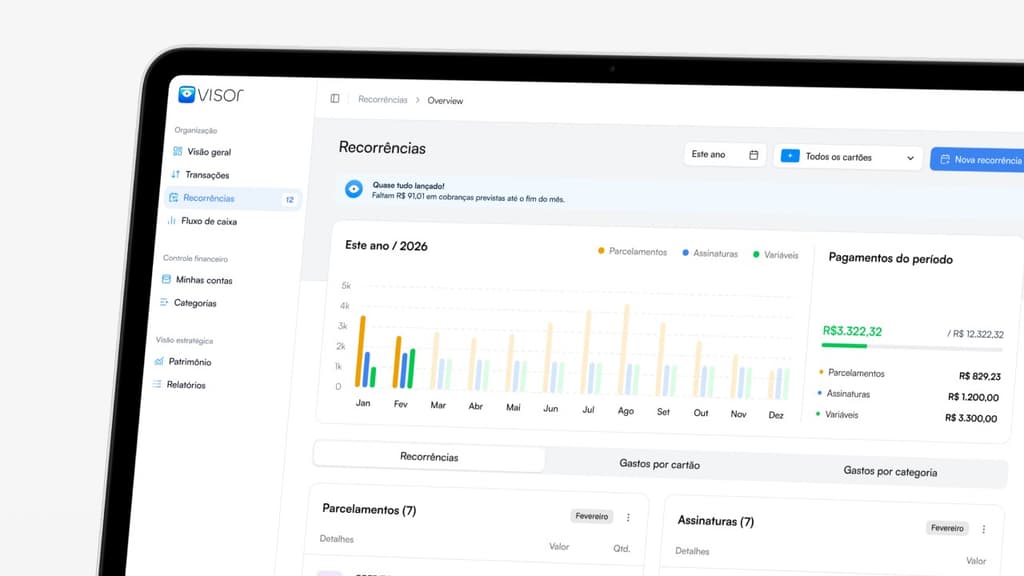
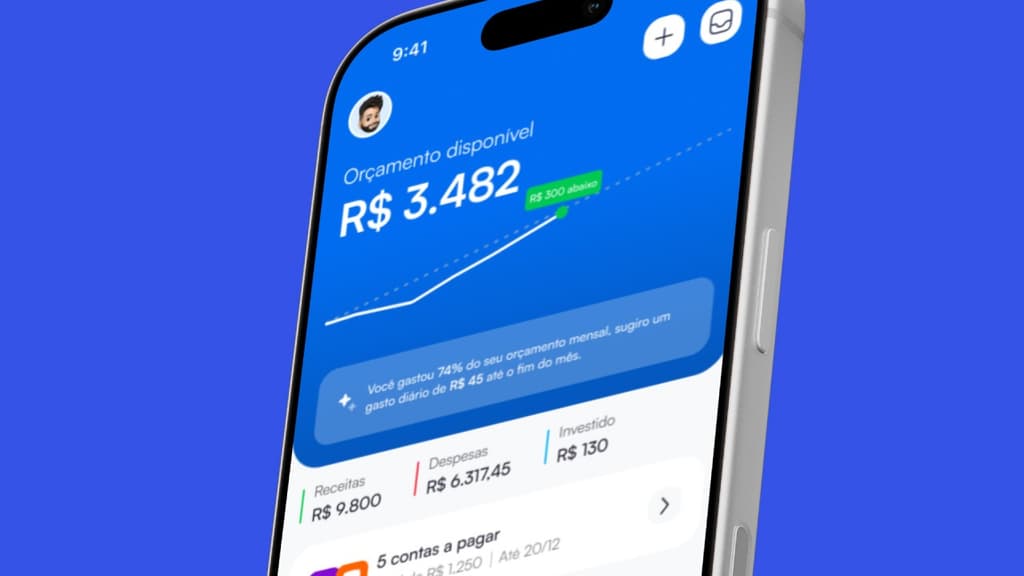
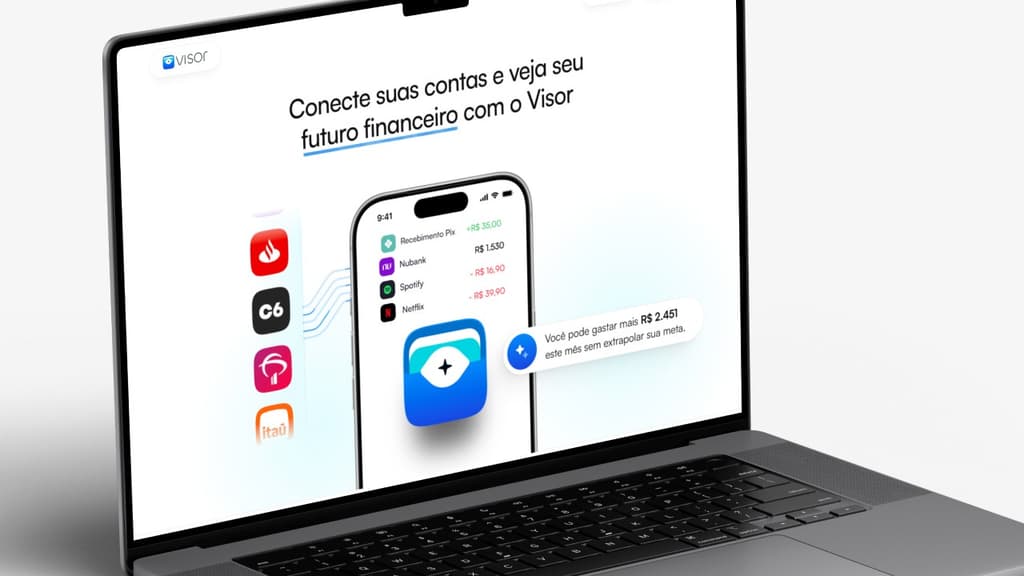
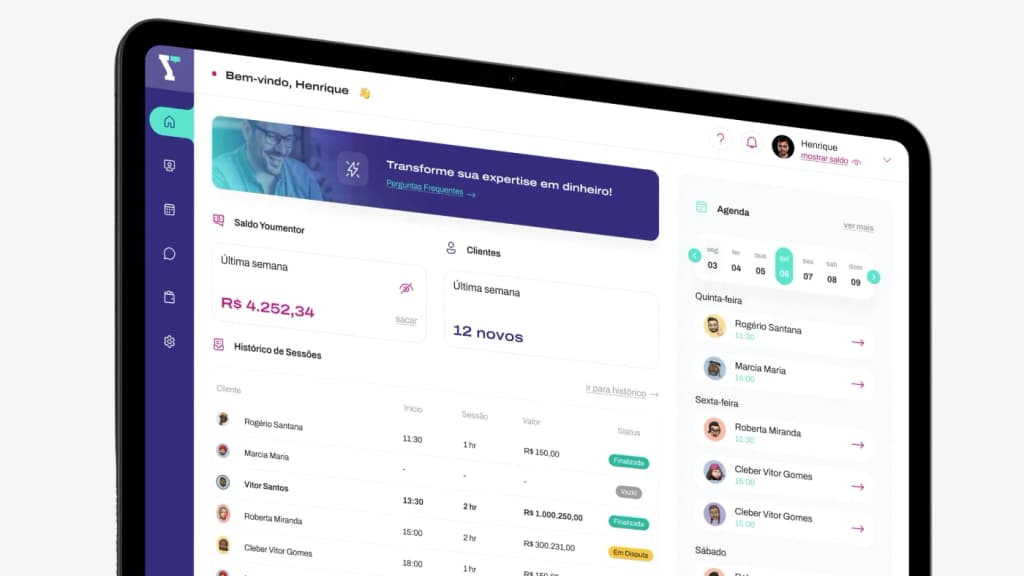
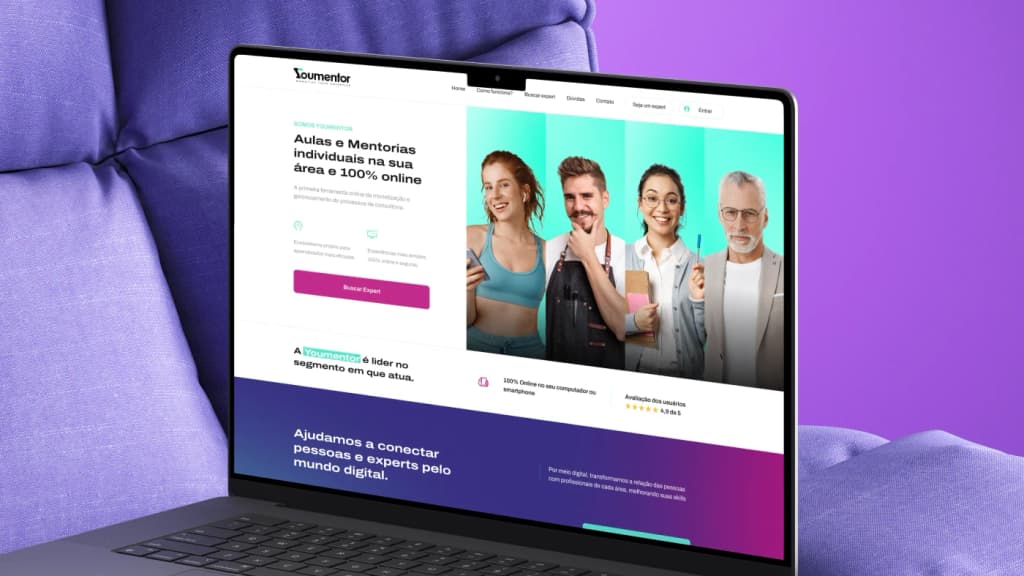
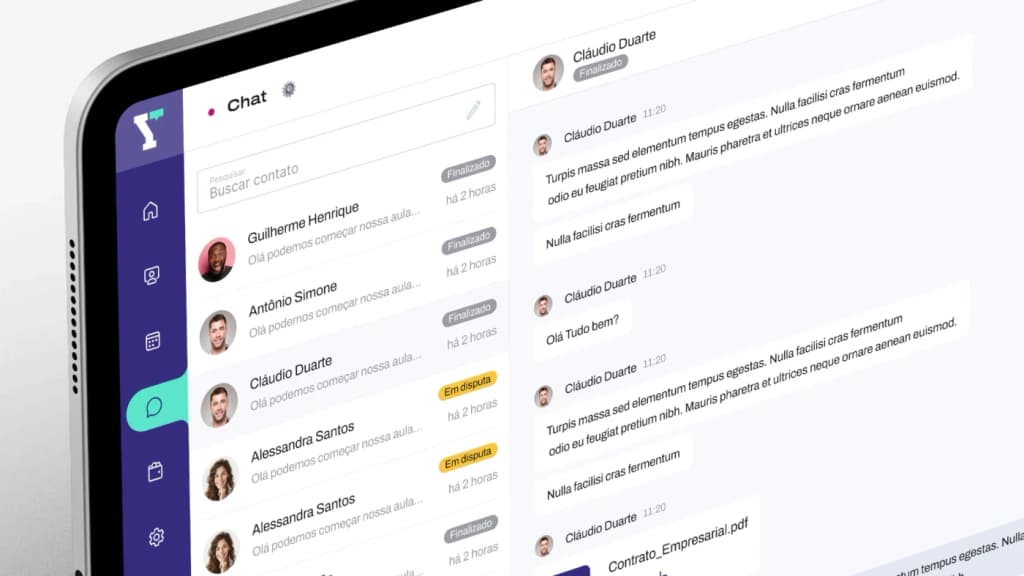
We've designed custom software for Wiz Benefícios, Cappta, Haudience, Visor and Milhas Pix, products where one extra click costs hours of operation.
WHO IT'S FOR
Wama vs. handling it in-house without a process
Product design isn't an opinion about color. It's a decision about what people can get done.
Wama
In-house without a process
Error and empty states designed
Improvised at coding time
Decisions based on real tasks
Decisions based on whoever talks loudest
A design system that prevents rework
Every screen reinvents the same button
A handoff developers can actually follow
A screenshot pasted into a ticket
Support until the screen is live
Approved designs that never became product
Immersion
We learn the operation, the user profiles and where the product gets stuck today. We come out with a list of problems ranked by impact.
Structure
We define navigation, flows and states in low fidelity. It's quick to change, and it's where the hard decisions happen.
Interface
We design the final screens and the design system behind them, with a clickable prototype to validate before building.
Support
We stay with your team during the build, reviewing the implementation and adjusting what only shows up in the real product.
Strategy
Interface Design
Web Design & Software
Branding
Consulting
Design System
UI & AI
Motion
Businesses transformed
Framer™ projects
Years in business
A disruptive project needs design that breaks past the ordinary, and that is what we guarantee.

Henrique Sabino
Wama Founder
01.
How much does a UI design project cost?
It depends on the number of screens and how complex the rules are. One-off projects can fall in the US$2,000 to US$10,000 range, and large products go beyond that. We also work on a monthly retainer or an hours package.
02.
Do you do user research?
When the project calls for it. At a minimum we talk to the people who run the system today, because a design based only on the buyer's view tends to ignore the real work.
03.
Do you deliver only the design, or do you build too?
Both. Some clients hire us only for design and have their own engineering team; others prefer that we lead both design and build.
04.
What tools do you use?
Figma, with an organized component library and tokens. The files are yours at the end, with edit access for your team.
05.
Can you redesign a product that's already live?
Yes, and that's a big part of what we do. We start by mapping what can't break, and the redesign ships in parts so users don't get lost all at once.
06.
How long does it take?
A well-defined scope takes four to eight weeks. Full products are split into waves, delivering the most critical flows first.
07.
Do you handle accessibility?
We do. Contrast, target size, keyboard navigation and focus states are part of the review before handoff, not a fix after someone complains.
08.
How does the handoff to development work?
We deliver an organized file, specified components and a session with your engineering team. After that, we stay available to review the implementation.
09.
Do you work with in-house design teams?
We do. On many projects we join as extra capacity or as consultants to the client's team, helping unblock deliveries without replacing anyone.
10.
Do you use AI in your process?
Where it truly speeds things up, like exploring alternatives and producing variations. Product decisions and reviews stay human.