Published
7 MIN READ
How design adds business value: beyond aesthetics
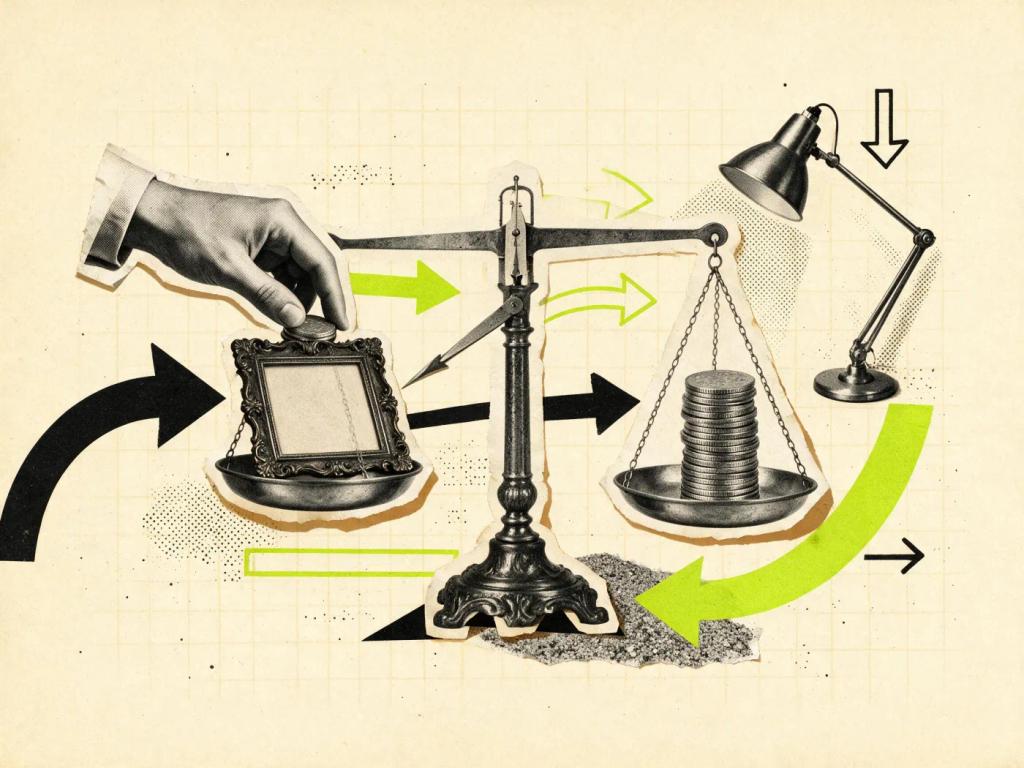

Design adds value to a business when it moves a number the company already measures: more visits turning into contacts, less drop-off in the middle of a flow, fewer support tickets, more trust at the moment of the buying decision. It is almost never about a prettier screen: it is about reducing the friction between the customer's intent and the action that generates revenue.
I write this from inside Wama, after more than 200 projects delivered for brands like KFC Brasil, Camila Farani, Tera, and Wiz Benefícios. This article shows how design adds value to a business in practice: where that value shows up, how it weighs on the buying decision, and how to measure the return on design without falling for empty promises.
What is design that adds value?
Design that adds value is design tied to a business goal: communicating positioning, supporting price, making the buying decision easier, and lowering operating costs. It differs from decorative design by having a success criterion defined before any screen: which number needs to change, for whom, and in how much time.
This yardstick applies to any layer: visual identity, corporate website, digital product design. An interface can collect compliments on its looks and still destroy value, if it hides the price, delays the contact, or confuses the user at the moment they would decide.
The opposite also happens: visually simple pages sustain entire businesses because they make the next step obvious. Beauty matters, a lot, but as a means of building trust, never as an end in itself.
How does design influence the buying decision?
Design influences the buying decision before any sales argument: in a few seconds, the visitor judges whether the company looks trustworthy, organized, and the size it claims to be. A confusing website charges an invisible tax on every proposal sent; a clear website makes the sales conversation start a few steps higher.
In high-value contracts, this effect weighs even more. The decision-maker researches quietly before the first meeting, compares three or four competitors, and forms an opinion without talking to anyone. At this stage, the website is the only salesperson in the room.
The full mechanics of turning that first impression into a contact I detailed in the article on building a website that sells: clear hierarchy, visible social proof, and a single path to action.
Where design becomes a number inside the company
According to McKinsey's The Business Value of Design study (2018), which tracked 300 companies for five years, the companies in the top quartile of design maturity grew revenue 32 percentage points above their industry benchmark and delivered 56 points more in total returns to shareholders.
A global consultancy's number works as a thermometer, not a guarantee. What it confirms is the direction: design treated as a management discipline, and not as a finishing touch, shows up in the results. In a company's day-to-day, the value of design usually appears in five places:
Conversion: the link between design and conversion is the most direct to measure, with more visitors completing sign-up, a quote request, or a purchase because the path became obvious.
Trust: a perception of quality that supports a higher price without apologizing for it.
Support: fewer repeat tickets when the interface answers questions before they turn into tickets.
Retention: customers who come back because using the product is not tiring.
Speed: a consistent visual system shortens every subsequent marketing and product delivery.
What more than 200 projects taught me about value
At Wama, I lead each project end to end: the same person who sits in the briefing meeting designs, develops, and publishes. This format came from a simple observation: a good part of a project's value gets lost in the handoffs between strategy, design, and code.
When a single person carries the whole context, design decisions stay tied to the business goal, and what was designed is exactly what goes live. Framer became Wama's core territory for that reason: it shortens the distance between design and published website, and it is where the agency has built up more than 50 live projects. With AI in the development workflow, that path got even shorter.
I also learned where this model changes shape: when demand grows, the bottleneck stops being ideas and becomes capacity. For companies with an overloaded in-house team, Wama set up a line of senior reinforcement without the cost of a full-time hire.
How do you measure the return on design without fooling yourself?
To measure the return on design, define before the project which number it should move: contact rate, proposals generated, flow drop-off, support tickets. Compare equivalent periods after launch and accept that part of the value, like brand and trust, builds up over months, not days.
An honest measurement process fits into three steps:
Record the baseline. Before redesigning anything, write down the current numbers: visits, contacts, response rate, time to close a proposal.
Choose one target number per project. Whoever tries to improve everything at once cannot prove anything afterward.
Review in cycles, not at the last minute. Check the target number every month or quarter and record what changed outside of design, like paid traffic or seasonality.
And be wary of anyone who promises to double sales with a new website. A corporate website is branding: it builds perception and value over time, shortens sales conversations, and supports price. Whoever sells a thirty-day miracle is selling something else.
Common mistakes of those who treat design as an expense
After years of working with companies of very different sizes, some patterns of waste repeat. These are the ones that cost the most:
The mistake that comes before all of these is choosing a vendor by the lowest quote, without comparing what each proposal contains.
A redesign with no goal. Replacing the website because it looks old, and not because a number needs to change. The result is beautiful and unmeasurable.
Buying on the lowest price and paying twice. The cheap project that needs to be redone in a year costs more than the right project done once.
Judging by internal opinion. The design leadership finds beautiful and the design that makes the customer act are rarely the same. User behavior decides, not the meeting.
Expecting an immediate return from a long-term asset. Brand perception does not change in a week; form abandonment does. Each type of value runs on its own clock.
Treating the website as a brochure. Publishing and never touching it again. An abandoned website ages along with the impression it gives of the company.
Frequently asked questions
Does design add value even for small companies?
Yes, and often proportionally more. A small company competes for attention with bigger rivals, and design is the cheapest way to look the right size: a clear website, a consistent identity, and noise-free communication make the customer trust you before they know the structure behind it.
What is the difference between beautiful design and design that adds value?
Beautiful design pleases whoever looks; design that adds value moves whoever decides. The first is measured in compliments, the second in numbers: contacts, conversion, retention, sustained price. The two can and should coexist, but when a project forces a choice, the business criterion beats aesthetic preference.
Does a new website increase sales right away?
No, and be wary of anyone who guarantees it. A corporate website builds trust and perceived value over months: it shortens sales conversations, supports price, and improves the quality of the contacts that come in. Friction metrics, like form abandonment, can improve quickly; brand takes time.
How much does design that adds value cost?
It depends on the problem it solves. At Wama, complete corporate websites in Framer fall in the range of US$ 6,000 to US$ 10,000, with strategy, design, development, and publishing in the same delivery. The honest criterion is not the price on its own: it is the project's cost compared with the value of the decision it influences.
How do you know if your current design is taking value away from the business?
Watch for three signs: visitors who arrive and do not get in touch, customers who ask support what the website should answer, and internal embarrassment about sending the website link in a proposal. Any one of them indicates that the design is working against the company, not for it.
If this article helped you see where design can work in your business's favor, it is worth getting to know Wama's work: strategy, design, and development of websites and digital products, led end to end by the same person who signs off on the result.