Published
7 MIN READ
Turning your website into a digital product: when to evolve
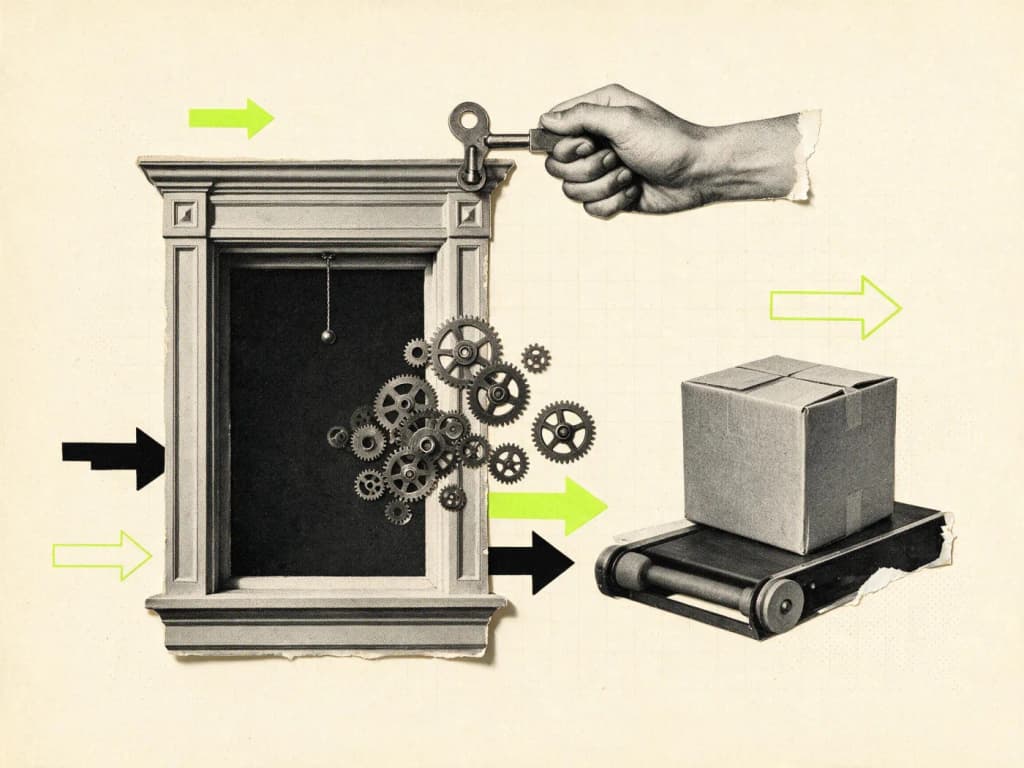

Turning your website into a digital product is the step where your online presence stops being a storefront and starts running the business: a logged-in area, a client portal, task automation. The right moment shows up in practical signs, like a spreadsheet holding up a process and support giving the same answer every day.
At Wama, this request often arrives disguised as something else: the client wants to update the website, and in the conversation we find out the problem isn't the website, it's the operation around it. This guide explains what that evolution means, which signs point to the right time and where to start without throwing away what you already have.
What does it mean to turn a website into a digital product?
Turning a website into a digital product means adding system layers to what is today a company website: login, data, workflows and integrations. The website keeps telling the company's story; the product starts running part of the operation, like orders, contracts, bookings and support that used to depend on people.
The practical difference is in the verb. A company website presents: it says who the company is, what it does and why you should trust it. A digital product executes: it handles logins, stores data, triggers workflows and talks to other tools. When we say the website becomes a digital product, it's this execution layer that comes into play, not swapping one for the other.
What signs show it's time to build a system?
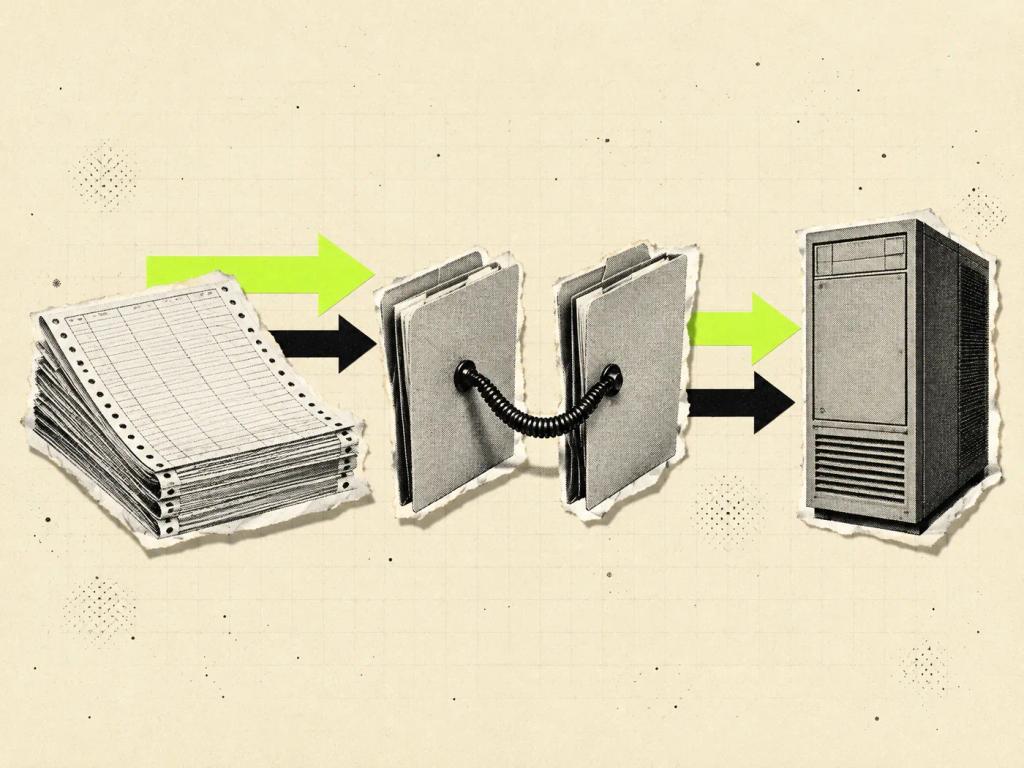
The most common signs are operational: a spreadsheet holding up an entire process, the team repeating the same manual task every week and the same information living in three different places. When clients get in touch to ask something they could look up on their own, the website can no longer keep up with the operation.
In conversations with Wama clients, five signs come up again and again:
A spreadsheet as the system. A shared file holds up a critical process, with conflicting versions and formulas only one person understands.
Recurring manual work. Someone copies data from one place to another every week, and that work grows with the company.
Information in triplicate. The same data lives in email, in the spreadsheet and in the billing tool, and it never matches.
Repetitive support. A large share of client messages ask for the status of something: an order, a contract, a delivery, a booking.
Too many tools. The operation depends on a chain of apps patched together, and any simple change takes forever.
One sign on its own is routine for a growing company. Two or three together mean the hidden cost of manual operation, adding up time and errors, has already passed the cost of a lean system.
Where should you start evolving your website?
Start with the point of greatest friction with the client, which for most companies is follow-up: a client portal with a logged-in area where clients check orders, contracts or history without going through support. It's the evolution with the smallest scope, builds on the existing website and already changes how the service is perceived.
The order we recommend at Wama goes from lowest risk to highest:
Read-only client portal. A logged-in area where clients check status, history and documents. Few workflows, direct impact on support volume.
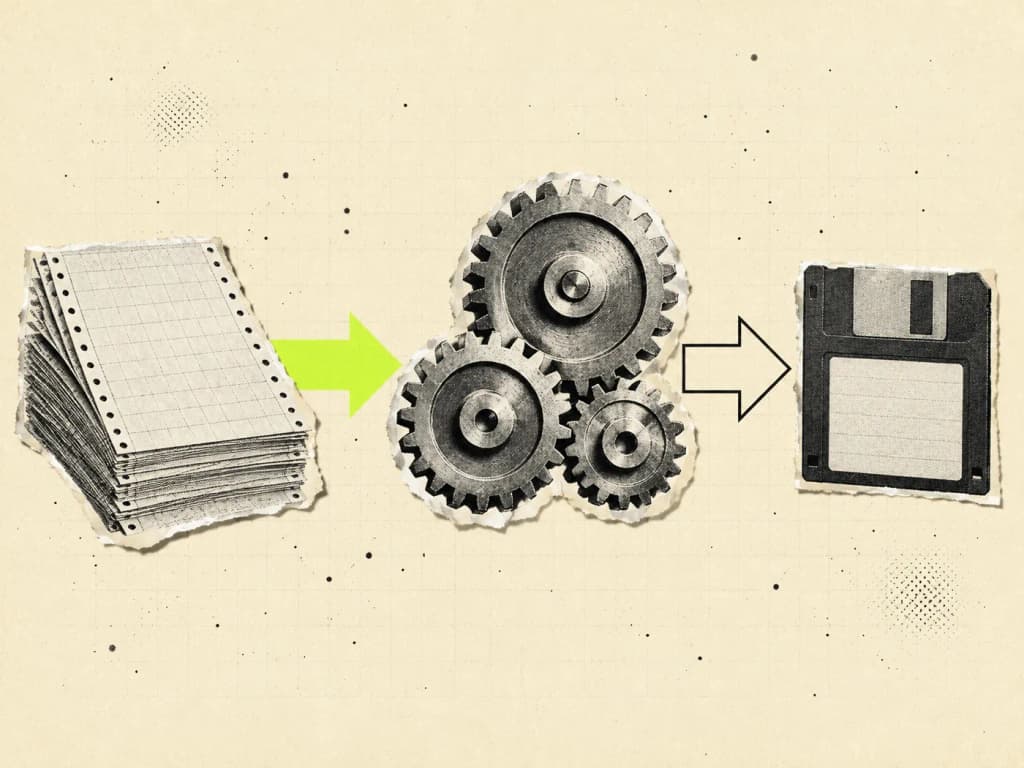
Internal operations automation. Forms, approvals and integrations that retire the spreadsheet and the copy-and-paste between tools.
Full product. When the digital operation becomes the heart of the business, the path is to structure SaaS development, from MVP to scale, with a lean scope and short delivery cycles.
Each stage delivers value on its own. If the project stops at the first one, the company already has lighter support; if it moves forward, each layer builds on the previous one, with no rework and no starting from scratch.
When building a system isn't worth it
Not every company needs this evolution right now, and saying so is part of our job. If the offer is still being validated, if the process changes every week or if the current goal is to generate leads and build a brand, a system is dead weight, not a solution.
In those cases, the right investment is a website that sells: clear positioning, content that answers buyers' questions and frictionless ways to get in touch. Automating a process that doesn't properly exist yet only produces mess at a faster pace. First the process proves itself manually; then it earns the right to become software.
How Wama bridges website and product
At Wama, this transition is our home turf: we design and develop websites, SaaS products and apps, with more than 200 projects delivered for brands like KFC Brasil, Camila Farani, Tera and Wiz Benefícios. The same person who joins the kickoff meeting designs, develops and publishes, with no broken telephone between departments, and that shortens every decision in the project.
When the product is sold as a subscription, this bridge has a known structure: the product's public storefront needs pricing, documentation and a changelog.
The method starts from what already exists. The company website, in our case almost always built in Framer, remains the storefront and the foundation of the brand; the product is born next to it, integrated, starting with the workflow that hurts the operation most. We use AI in development, with Claude Code inside our workflow, to gain speed without losing control over what goes live.
And a piece of honesty we repeat in every proposal: a system fixes operations, a website builds a brand. Neither one doubles revenue the following month, and be wary of anyone who promises that.
Common mistakes when evolving a website into a system
The mistakes below show up in almost every story of a system that went wrong, and all of them can be avoided with decisions made before the code:
Starting with the big system. A year-long closed project only to discover, at delivery, that the process changed along the way. A lean scope and short delivery cycles reduce that risk from the first week.
Throwing the website away. The company website remains the brand's front door. The evolution happens next to it, never in its place.
Automating the mess. A confusing process, once automated, becomes confusion at scale. Mapping the workflow on paper comes before any line of code.
Choosing the tool before the problem. Picking the technology first flips the conversation. The workflow defines the tool, never the other way around.
Expecting an immediate return. A client portal reduces support as soon as it goes live, but brand, trust and perceived value are still long-term work.
Frequently asked questions
What's the difference between a website and a digital product?
A company website presents the business: positioning, services, portfolio and ways to get in touch. A digital product runs part of the operation: login, data, transactions and automated workflows. The website works on perception and trust; the product works on efficiency. Mature companies keep both, each doing its own job.
Do I need to rebuild my website to turn it into a digital product?
No. Healthy evolution happens in layers: the existing website stays live while the logged-in area, the client portal or the automation is built next to it, integrated. Rebuilding everything at once raises cost and risk for no reason. What already works is reused, not discarded.
What is a logged-in area and when does it make sense?
A logged-in area is the part of the website accessible only with a login, where each client sees their own data: orders, contracts, documents, history. It makes sense when support spends time answering status questions that clients could check on their own, at any time, without depending on anyone.
How long does it take to evolve a website into a system?
It depends on scope, and be wary of anyone who answers without asking. A lean, read-only client portal is a project of weeks. Operations automation with integrations is a project of months. What shortens the path is starting small: one workflow at a time, each stage delivering value on its own.
Does a system bring immediate results for the business?
A well-designed system reduces manual work and operational errors as soon as it goes live, and that gain is real. The brand, trust and perceived value of the company website, on the other hand, are long-term work. Promising immediate revenue because of a website or a system is a dishonest promise.
If your website has reached this point, let's talk. Wama designs and develops this evolution end to end, from the company website to a product with a system, dashboard and operations, in stages that fit your timeline. See our work at wama.com.br.