Published · Updated
8 MIN READ
AI process automation: where to start
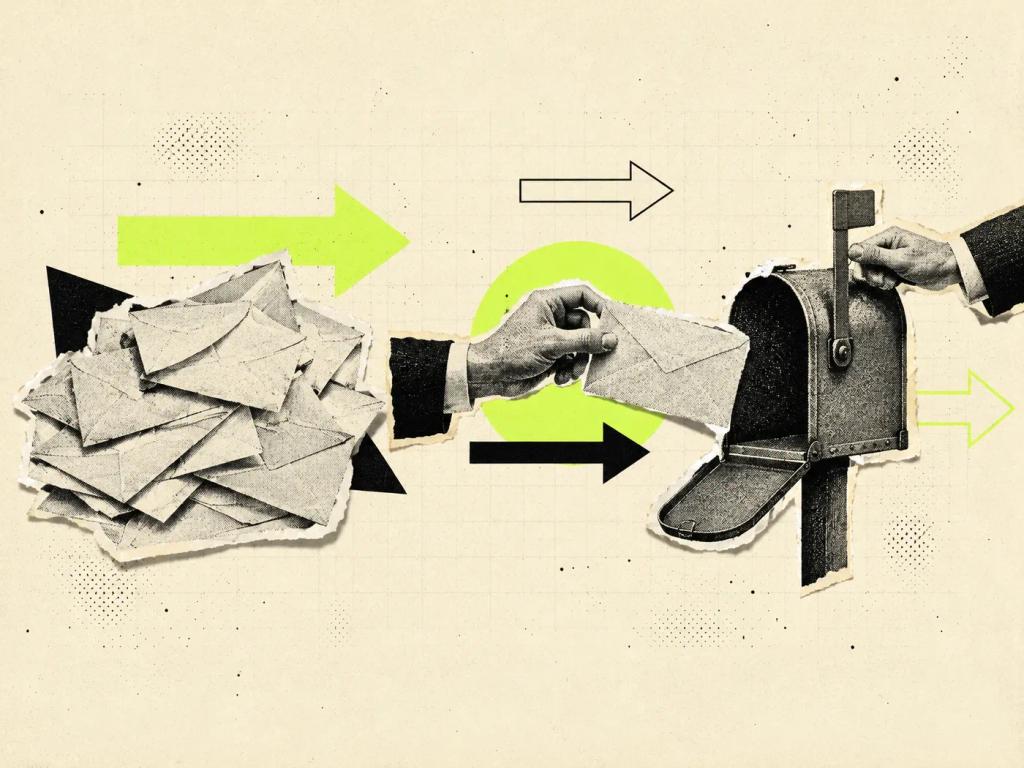

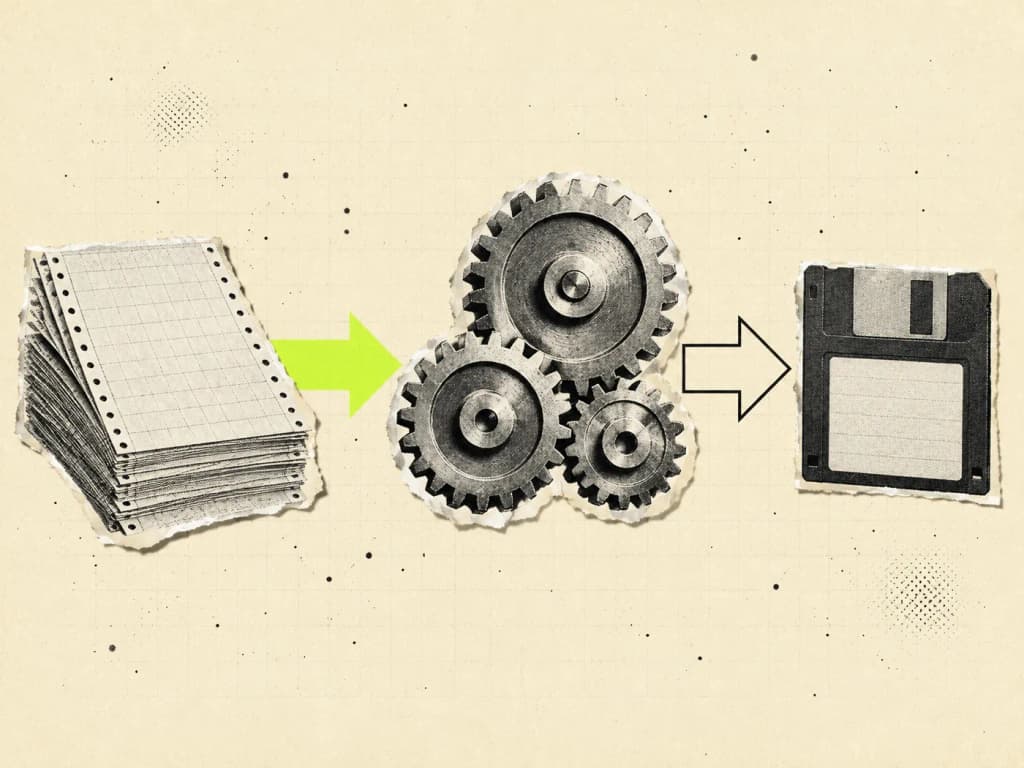
AI process automation means placing a language model inside an existing workflow to read, classify and propose decisions within limits, while rules and systems carry out the rest. The right first process has high volume, a known rule, recoverable errors and a clear point where a person takes over the exception.
It's also the most common use of AI in Brazilian companies. The ICT Enterprises 2025 survey, released by Cetic.br in June 2026, shows AI adoption rose from 13% in 2024 to 17% in 2025 among companies with more than ten employees. In the executive summary of the same survey, automating processes and workflows is the most cited application, by 68% of the companies that used AI.
Wama uses AI for code and automation, with Claude Code and Framer's agents, and every result goes through human review before reaching the client. This article covers choosing the process and designing the flow; the project math is in the article on how much it costs to implement AI.
What is AI process automation?
It's the combination of three pieces: the workflow, the systems where the data lives and a model that interprets what only a person could read before. Free-text email, supplier PDFs, orders sent by message and support tickets written in the customer's own words fall into this category.
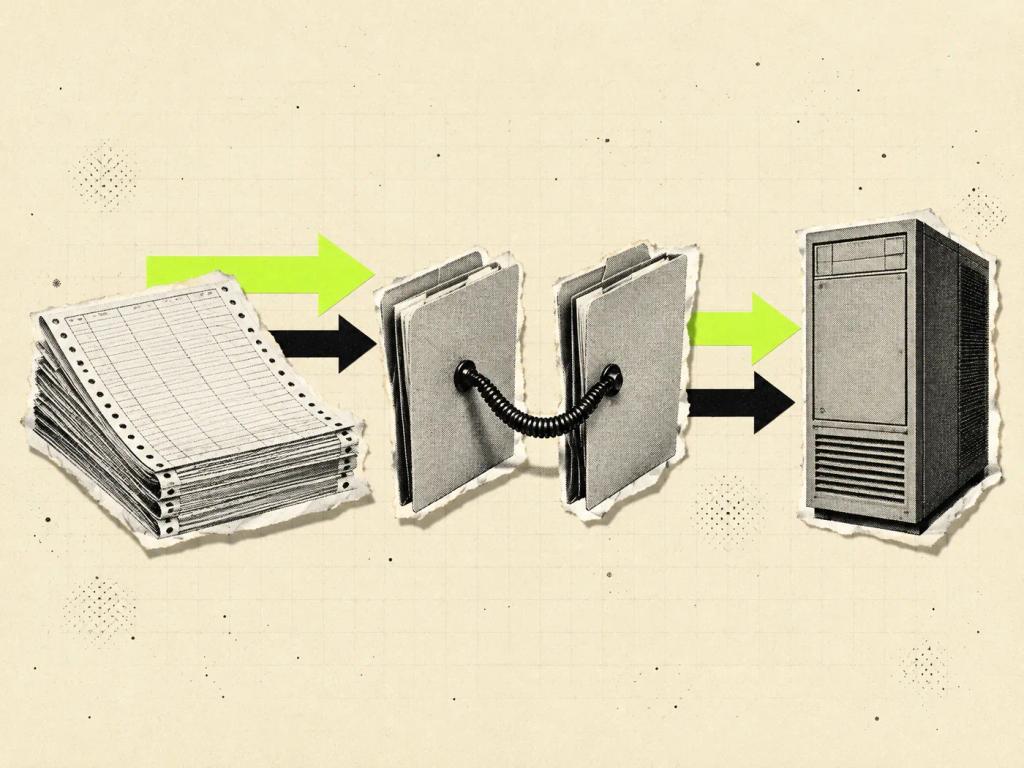
Classic automation follows a fixed rule: if the field is filled in, the system runs the next step. It breaks when the input changes format. AI covers exactly that piece: it turns loose text into structured data and hands the result back for the rule to continue. When the flow needs to look up internal documents to respond, a search layer comes in, the same one that powers an AI agent with a knowledge base.
The practical difference is that AI doesn't need to own the process. In most cases, it's one step inside it: it reads, classifies and proposes, and the system records and executes.
Which process should you automate first?
The first process is the one that combines volume, repetition and low cost of error. A good candidate passes the five tests below; two or more "no" answers mean it should wait for the second batch.
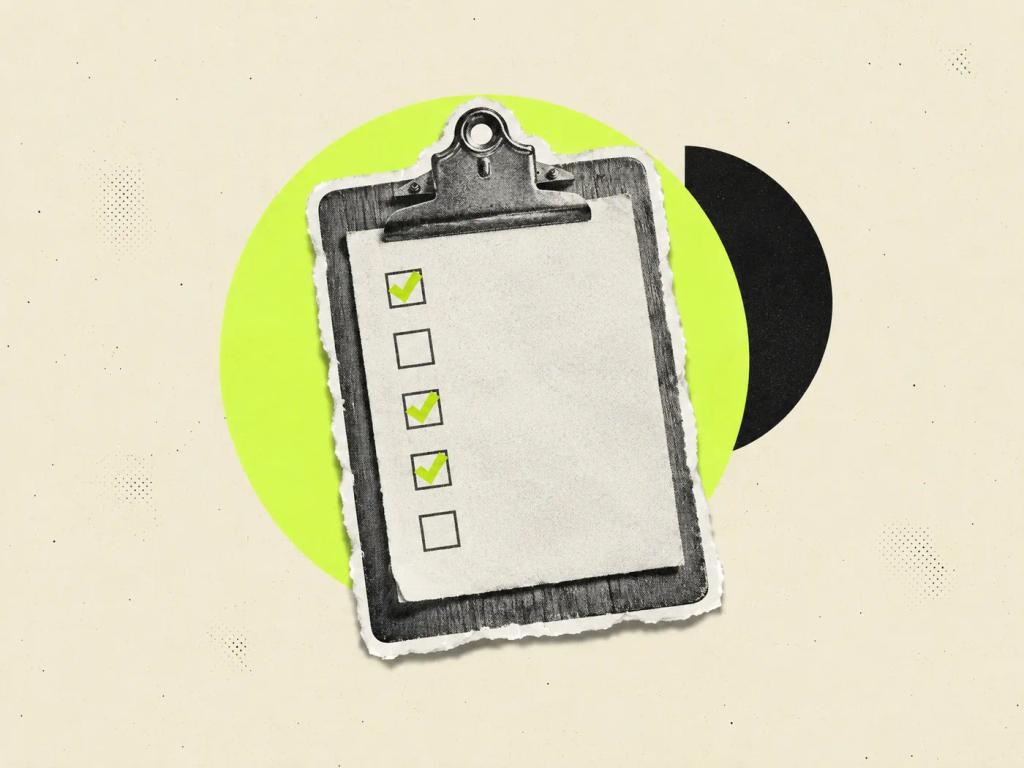
Volume: it happens dozens of times a week, not once a month.
Known rule: someone on the team can explain, on one page, how they decide today.
Recoverable error: a wrong classification costs rework, not a lost customer or an improper payment.
Accessible data: the input arrives by email, form, spreadsheet or API, and the result has somewhere to be saved.
Defined owner: there's a person accountable for the process who will look at the exceptions.
Ticket triage, AI lead qualification, reading supplier invoices, organizing orders that arrive by message and updating customer records usually pass all five tests. Credit approval and legal responses don't, because the error weighs too much for a first pilot. When the process depends on writing to the CRM, read first what to allow in CRM integration with AI.
Rule, automation or agent: how to decide
Not every step needs AI, and the step that does doesn't always call for an agent. What separates the three options is how much the input changes from one case to another and how much the system decides on its own.
Situation | What to use | Example |
|---|---|---|
Input always in the same format and a fixed decision | A rule in the system itself | An overdue invoice triggers a reminder |
Free-text input and a decision among known options | Single-step AI automation | An email sorted into one of five queues |
A goal with several paths and different tools | An agent with limited permissions | A reply that checks order, stock and delivery time |
The rule is the cheapest and most predictable option, so it wins whenever it can handle the case. The agent is the one that requires the most care, because it chooses on its own which tool to call and in what order. If the flow will connect AI to several systems through a common standard, the article on MCP for business shows what to require before opening that connection.
Where does the person come into the flow?
The person comes in at three places, and all three are designed before the pilot: at the confidence threshold, in the exception queue and in the review of any decision that affects someone.
The threshold is a business number, not a technical one. Above it, the case proceeds on its own; below it, it goes to a queue with the original text, the AI's suggestion and the reason for the doubt, so the person can decide without reading it all over again. At the start, the threshold is set high and almost everything goes through someone.
When automation decides something about a person using personal data, the law already has something to say. Article 20 of the LGPD (Brazil's data protection law) gives data subjects the right to request review of decisions made solely on the basis of automated processing that affect their interests, including consumer and credit profiling, and requires the controller to disclose the criteria on request. The ANPD, Brazil's data protection authority, opened in November 2024 a public consultation on AI and review of automated decisions, and the contributions, according to the Authority itself, may guide regulation of the topic. What that changes in the product is in the article on LGPD and artificial intelligence.
How to measure before scaling
Measure the process before turning on AI, or there's no way to prove gains or losses. Four numbers are enough for the pilot: cycle time for each request, error or rework rate, how many cases fell into the exception queue and how much time the person spent on it.
Run the pilot in parallel for a few weeks: the AI suggests, the team decides, and both answers are recorded. When agreement stabilizes, lower the threshold gradually. Expanding to the second process only makes sense once the first is stable and there are written usage rules, like those in an AI usage policy.
At Wama, AI sped up the build, not the decision: total project timelines didn't change, and the gain showed up as finish within the same schedule. It's a useful reminder for any pilot, because the gain may be in quality rather than on the clock.
Common mistakes
Starting with the tool. Choosing the platform before the process leads to automating what the tool does well, not what hurts in operations.
Automating the process as written in the manual. The real flow has shortcuts and exceptions only the people who run it know; map it with them.
Letting AI write without an audit trail. Every action needs a record with the input, the suggestion, the decision and who approved it.
Starting with customers. An internal flow makes mistakes away from the public and gets fixed; a customer-facing flow makes them in front of the customer. An AI agent on WhatsApp comes after a stable internal pilot.
Buying off the shelf without checking integration. According to Cetic.br, 80% of companies that used AI in 2025 adopted off-the-shelf solutions; an off-the-shelf solution only works if it talks to the systems where the data already lives.
Frequently asked questions
Does AI process automation replace RPA?
Not necessarily. RPA mimics clicks on screens and works well with fixed input. AI comes in where the input is free text or varied documents. In many flows the two coexist: AI reads and classifies, and the rule or the bot executes in the system. The choice depends on the input format, not on how new the tool is.
Do I need organized data to get started?
You need accessible data in the chosen process, not the whole company organized. If the input arrives by email, form or API and the result has somewhere to be saved, the pilot can move. Cleaning up all your data before testing anything usually delays the project without guaranteeing it works better afterward.
Does AI automation work for a small business?
It does, and adoption among small businesses is growing. In ICT Enterprises 2025, AI use among companies with 10 to 49 employees rose from 10% to 15% between 2024 and 2025. Size changes the volume of cases, not the logic: a repetitive process, a clear rule and a person accountable for the exception.
When does automation become custom software?
When the flow calls for its own business rules, a screen for the exception queue and integrations no off-the-shelf tool offers, it becomes a product. Wama has two AI projects of its own: ManyFeed, a social proof SaaS built with AI, and Auzy, a management tool for creative professionals. For that path, read about custom software.
Does AI automation have to comply with the LGPD?
Whenever it processes personal data, yes. The LGPD applies to any processing, automated or not, and Article 20 adds the right to review when the decision is made by the machine alone and affects the person. In practice, record the legal basis, limit the data the AI receives and keep a human review path.
If you have a process that repeats every week and a team that already knows where it gets stuck, that's the safest starting point. Talk to Wama about your project.