Published
9 MIN READ
How to Migrate WordPress to Framer Without Losing SEO
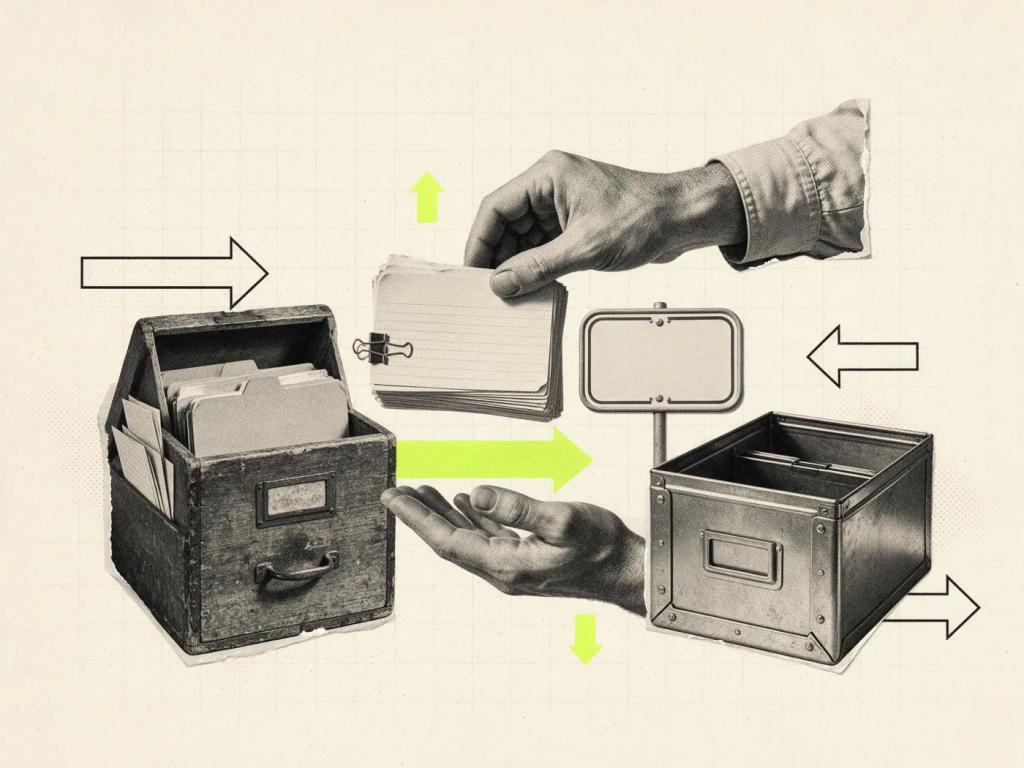

Migrating from WordPress to Framer without losing SEO is possible, and it depends on three things: inventorying every old URL, setting up 301 redirects before switching the DNS, and keeping the content structure intact. What costs you rankings is not the platform change. It's URLs that stop responding.
In Portuguese, there's no guide on this written by someone who actually ships in Framer. What you find are videos about copying layouts, a forum thread recommending screenshots, and the official documentation, which is in English. This article covers the whole process, in the order it happens, and also tells you what has no equivalent on the other side.
Can you migrate from WordPress to Framer without losing Google rankings?
Yes, and the risk lies entirely in execution. Search engines don't penalize a platform change. They penalize URLs that disappear, content that shrinks and pages that get slower. If every old URL keeps responding and points to the equivalent content, the authority you've built up carries over.
The two fears we hear most from people who want to leave WordPress are exactly these: losing Google rankings and losing their blog content. Both are legitimate, and both are solved with method, not luck. What can't be fixed is a rushed migration that switches the DNS before the URL map exists.
What to inventory before you touch anything
Nothing starts without an inventory. It's the most tedious step and the one that decides the outcome, because you can't redirect what you don't know exists. A website with years of blogging almost always has URLs nobody remembers that still get visits.
Every published URL, from the sitemap and from WordPress itself, including categories, tags and archive pages.
Pages that get visits, from Search Console and analytics, over the last twelve months.
Pages that get external links, which are the ones that cost the most if they break.
Metadata: the title and description of each page, so you don't start from scratch.
Image library, separating what's in use from accumulated junk.
Live integrations: forms, email tools, pixels, chat, whatever is plugged in.
This inventory produces the most important decision of the project: what migrates, what gets rewritten and what dies. A page that hasn't had visits or links in two years rarely deserves to be recreated. A migration is a good opportunity to cut dead weight, as long as the decision is deliberate and documented.
How do you build the 301 redirect map?
With a two-column spreadsheet, old URL and new URL, which you then translate into the platform's rules. Framer supports redirects with wildcards and dynamic segments, which saves you from writing hundreds of lines by hand.
According to Framer's official redirects documentation, the asterisk matches any part of the path, so a rule like /blog/* covers both a short URL and one with a date in the middle. A colon matches a specific segment: /blog/:ano/:mes/:dia catches the date pattern WordPress uses by default. And numbered references reuse what was captured, letting you turn /blog/:1/post/:2 into a new URL with a different structure.
This feature is what makes it viable to migrate a blog with hundreds of posts. Without wildcards, each post would be one line. With them, a handful of rules handles the whole structure, and exceptions go in one by one. Keep in mind that redirects are available from the mid-tier plan up, which already defines the plan the migration requires and how much it costs.
How do you bring over years of blog posts without losing anything?
By exporting from WordPress, cleaning up and importing into the CMS. The technical path is well known: the export comes out as XML, becomes a spreadsheet, and the spreadsheet feeds the CMS collections. The real work isn't moving it. It's cleaning it.
Content exported from WordPress usually comes out dirty, with markup left by plugins, empty blocks, inline styles and odd characters. If that goes into the CMS as is, the new website inherits the old one's mess. This cleanup is where AI in the workflow pays for itself: scripts written on the spot to process the CSV solve in minutes what would be a full day of manual work.
Images deserve their own step. The media library of an old WordPress site usually has heavy files, no naming convention and no optimization. Bringing everything over as is means carrying the performance problem to the new platform. The right move is to convert, resize and discard what isn't in use.
What has no equivalent in Framer
Two things, and it's better to find out now than mid-project. The first is a store with its own checkout: the kind of ecommerce that runs inside WordPress has no native equivalent and depends on an external integration. The second is a logged-in area with restricted content, such as a members portal, a course or a customer dashboard.
If your website depends on either of these, the conversation changes before it starts. Before deciding, it's worth weighing what you gain and what you lose by leaving WordPress. It doesn't mean the migration is impossible. It means it's no longer a website migration and becomes a project with two fronts. Measure that during the inventory, not the day before launch.
Can you switch without taking the website offline?
Yes, by migrating page by page. Framer has an advanced hosting feature that lets you serve part of the domain from the new project and the rest from the old website at the same time. In practice, the website gets replaced piece by piece, with no outage and no single big switchover.
According to the official page-by-page migration documentation, updated in August 2026, the mechanism is a multi-site rule with the option to prioritize pages that already exist in the new project. When a page is published, it automatically starts responding in place of the old one. The documentation itself recommends testing everything on the staging domain before touching the DNS, which is the most important advice in the whole process.
This feature is a paid add-on, so it makes sense for a large website with many pages and traffic that can't blink. For a ten-page corporate website, a single switchover is still simpler and cheaper.
How long does a migration take and how much does it cost?
Less than a new website of the same size, because the content already exists. The most time-consuming part of a project from scratch is deciding what each page will say, and in a migration that decision has already been made. What's left is structure, design and transfer work, which is more predictable.
For reference, see the timeline for a new website, for comparison. On the cost side, a migration is quoted as a project, and the benchmark is in the budget for rebuilding an existing website. What changes the price is the number of URLs and how messy the old content is, not the destination platform.
There's a recurring gain that usually justifies the bill: no more paying for plugins, hosting and security updates. It's the savings that show up from the second year on, and it almost never enters the decision because nobody calculates it beforehand.
What went wrong in a real migration
In a recent migration of a website with a large blog, hundreds of pages, three things caused delays, and none of them was a platform technicality.
The first was the organization of the old URLs. Years of publishing without a standard produced duplicate URLs, URLs with parameters and different structures for the same type of content. Mapping that took longer than building the rules. The second was the dirty exported content, which required cleanup before any import. The third was the image library, heavy and disorganized, which had to be handled file by file.
The lesson is consistent: in a migration, the old website's baggage is the schedule. The more disorganized the WordPress site, the longer the migration, and that doesn't show up in any estimate given over the phone. That's why the inventory comes before the quote, not after. Who runs this process matters, because it spans design, content and infrastructure at the same time: see who runs the migration from design to deploy and, as a market reference, who has already done large migrations to Framer.
Common migration mistakes
Switching the DNS before testing. Testing on the temporary domain exists precisely for this, and skipping it is the most expensive mistake on the list.
Redirecting everything to the homepage. It signals that the content is gone and wastes each page's authority.
Forgetting categories, tags and archive pages. They don't show up in the menu, but they do show up in the search engine's index.
Importing content without cleaning it. The old website's mess becomes the new website's mess, with a better look.
Not telling Search Console. Submitting the new sitemap speeds up the recrawl a lot.
Discovering the logged-in area at the end. If there's restricted content, it changes the entire project and needs to be mapped at the start.
Frequently asked questions
Will I lose my rankings when migrating to Framer?
No, as long as every old URL keeps responding through a permanent redirect and the equivalent content exists on the new website. Drops happen when pages disappear with no destination or when content is cut down during the migration. The platform itself isn't a ranking factor.
How do I bring over my WordPress blog posts?
By exporting the content, cleaning up the markup inherited from plugins and importing it into the CMS collections. The heavy lifting is the cleanup, not the transfer. A blog with hundreds of posts is viable, as long as the URL structure is mapped before the import.
Which Framer plan do I need to migrate?
The mid-tier plan or higher, because page redirects aren't available on the entry plan. Page-by-page migration, without taking the website offline, also requires the advanced hosting feature, which is a monthly add-on paid separately.
How long is the website offline during the switchover?
Not at all, if the domain is tested beforehand and propagation is planned. On large websites, page-by-page migration eliminates even the idea of a switchover, because the new content replaces the old as it gets published.
Is it worth leaving WordPress?
It depends on what your website does. If it's a corporate website with a blog and forms, switching usually reduces recurring costs and maintenance work. If it has a store with its own checkout or a logged-in area, evaluate carefully, because those two things have no direct equivalent.
If you're considering leaving WordPress and want a diagnosis before deciding, request a migration diagnosis from Wama. We start with the URL inventory, which is what defines the project's timeline and risk.



