Published
7 MIN READ
Claude Code in Development: Speed With Judgment
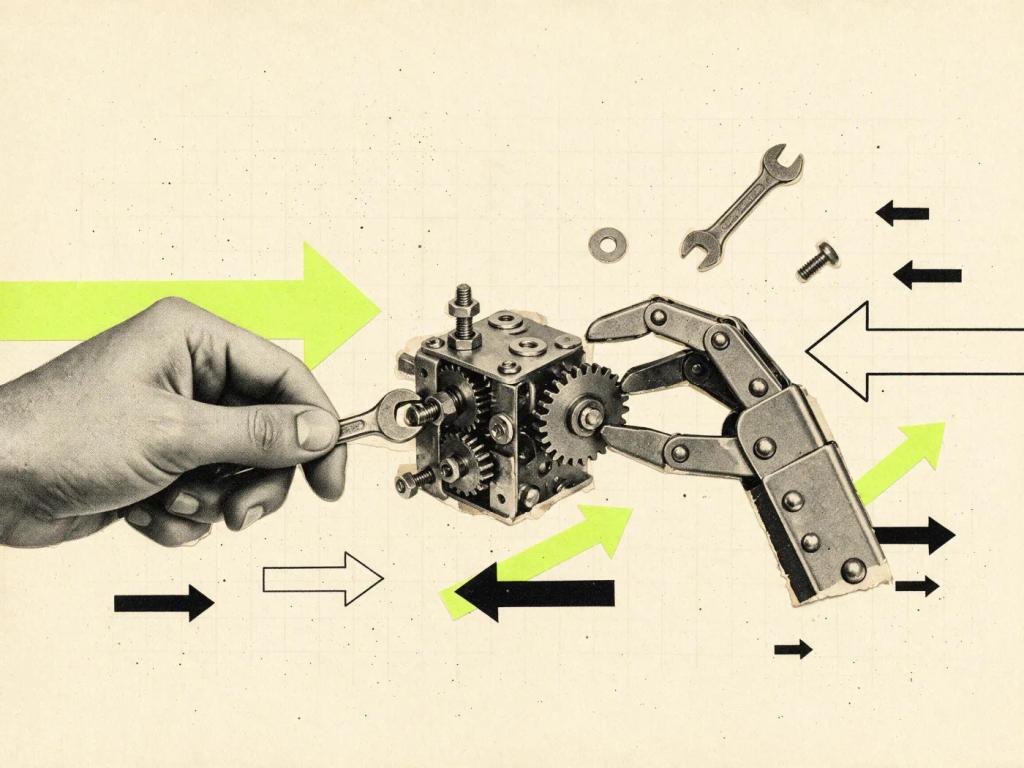

Claude Code in development works like an extra pair of hands, not a replacement for technical decisions. It's a coding agent from Anthropic that reads the project, edits files and executes complete tasks within a process with a clear scope, agreed standards and human review on every delivery. Without that process, the tool just produces a mess faster.
At Wama, this tool entered the workflow for websites and digital products without ceremony and without panic. This article shows what it does well, where it needs a brake and what changes for those who hire. The promise is honest: AI in software development is a process tool, not a magic shortcut.
What does Claude Code do in software development?
Claude Code is a coding agent that works directly in the terminal and the editor: it reads the entire codebase, understands the project structure, edits files, runs tests and executes commands. The difference from autocomplete assistants is that it carries out complete development tasks, from start to finish, under the supervision of whoever leads the project.
In practice, the agent performs best on repetitive, well-defined work: refactoring, writing tests, building integrations, documenting what nobody documents. What it doesn't do is decide. Architecture, priority and the cost of each technical choice remain with whoever signs off on the project, and that's exactly where the value a client pays for lies. It's a division of labor similar to a good team's: execution gets distributed, accountability doesn't.
How Wama uses Claude Code in real projects
At Wama, one person leads the entire project, from the briefing meeting to deploy. Claude Code comes in as an accelerator for that leadership: while the agent executes the repetitive part of the code, human attention stays on design, strategy and the conversation with the client. In SaaS development projects, this shortens cycles without giving up structure.
Wama's core territory is the high-value corporate website in Framer. In that context, the agent helps with code components, CMS integrations and automations that used to get postponed for lack of hours. Design still comes from people; AI comes in once the decision has been made. Routine automation, interactive components, form integrations: tasks that used to compete for room on the calendar now fit into the scope with more slack.
The process that sustains this gain came before AI. There have been more than 200 projects delivered, for brands such as KFC Brasil, Camila Farani, Tera and Wiz Benefícios, and each one reinforced the same lesson: poorly defined context charges interest. With a coding agent it's the same. A clear written scope, agreed standards and review on every delivery separate speed from accelerated mess.
Without well-defined context, AI's speed turns into disguised rework a few days later.
The same Claude also handles content distribution. I show in post automation with Zernio and Claude how each article becomes a social media post, with human approval in the middle.
Does AI replace the developer?
No. AI changes the developer's role, not the need for one. The work shifts from typing to deciding: defining architecture, writing the context that guides the agent, reviewing each delivery and being accountable for the result. Code without someone accountable for it is a liability, not an asset.
In Wama's case, this shift matches the working model: one person with more than 15 years of experience in design and digital products leading everything. AI doesn't replace that person; it multiplies their reach. The client keeps talking to whoever decides, not to a tool operator.
How do you maintain the quality of AI-generated code?
Quality comes from review discipline, not from trust in the model. All generated code goes through human reading, tests and validation in the real environment before it reaches the client. The rule is simple: the one who generates can be the machine; the one accountable is always a person named on the project.
The caution isn't paranoia. According to Veracode's GenAI Code Security Report (2025), which tested more than 100 language models, AI-generated code introduced security vulnerabilities in 45% of the cases evaluated. The number doesn't condemn the tool; it condemns using it without review.
At Wama, code review with AI follows a fixed sequence:
Written scope before any line of code.
Project standards recorded in files the agent reads on every task.
Small deliveries, because a small block actually gets reviewed.
Human reading of everything that touches data, security or money.
Testing in the real environment before any deploy.
What changes for those who hire development with AI
For those who hire, the change shows up in pace and iteration, not in miracles. Shorter cycles mean more rounds of adjustment within the same budget, less time between the idea and the first navigable version and more room to test before launch. More versions to show also call for presentation to match: on that, see the Screen Studio review, the tool that raised the bar for product demos. What doesn't change: a corporate website is branding and value built over time, and no AI changes that. A shorter timeline is welcome, but the real return is still built on positioning, content and consistency over the months.
The right question to ask any vendor isn't whether they use AI, but who reviews and who is accountable for what the AI produces. A good tool inside a bad process just delivers problems faster. Wama isn't the only one putting AI into the process: we've gathered five studios that do it in a documented way in websites with AI: 5 reference agencies. This criterion applies when you build a website that sells, it applies to digital products and it applies to support for design teams during peak demand.
The reasoning isn't limited to code. It's worth seeing the same criterion applied to an AI advertising video, from the 3D model to the upscale, with prompts and cost per step.
The reasoning isn't limited to code. It's worth seeing the same criterion applied to an AI advertising video, from the 3D model to the upscale, with prompts and cost per step.
Common mistakes when adopting AI in development
The mistakes below come up often in conversations and projects that reach Wama. All of them cost more to fix than to avoid.
Accepting code without reading it. It becomes technical debt with compound interest, and the bill arrives at the worst moment.
Asking for everything at once. A giant task produces a generic answer; a well-defined task produces usable code.
Not recording standards. Without written conventions, every agent session invents a new style.
Measuring productivity by volume. Productivity in development is problems solved, not lines of code written.
Hiding AI use from the client. Process transparency is part of the delivery, not a confession.
Frequently asked questions
What is Claude Code?
Claude Code is a programming agent from Anthropic that operates in the terminal and the code editor. It reads the codebase, edits files, executes commands and completes full development tasks under human supervision. It was launched in 2025 and works by subscription or with API credits.
What's the difference between Claude Code and autocomplete assistants?
Suggestion assistants complete lines while the developer types; the gain is local. A coding agent like Claude Code receives a described task, reads the entire codebase, edits several files, runs tests and delivers the complete result. Supervision changes scale: you review the delivery, not each suggested line.
Are projects built with AI cheaper?
Not automatically. The cost of a serious project still comes from strategy, design and technical accountability, and none of that has left the scene. What AI changes is output: more iteration, more polish and more testing within the same budget. Be wary of anyone promising the same result for half the price.
Is AI-generated code reliable?
It's as reliable as the process around it. Generated code usually works, but independent studies keep pointing to security flaws in a significant share of cases. That's why Wama's rule is: human reading, tests and validation in the real environment before any delivery. Trust is the result of review, not of faith in the model.
Do I need to understand code to hire a project built with AI?
You don't. You need to know how to ask three questions: who defines the scope, who reviews what the AI produces and who is accountable for the project after launch. If all three answers point to a named person, with a verifiable portfolio, AI use is an advantage for you. If they point to the tool, change vendors.
If you're deciding on a corporate website or a digital product and want that balance between speed and technical accountability, take a look at Wama's work. More than 200 projects delivered with one person leading everything, from the first meeting to deploy.